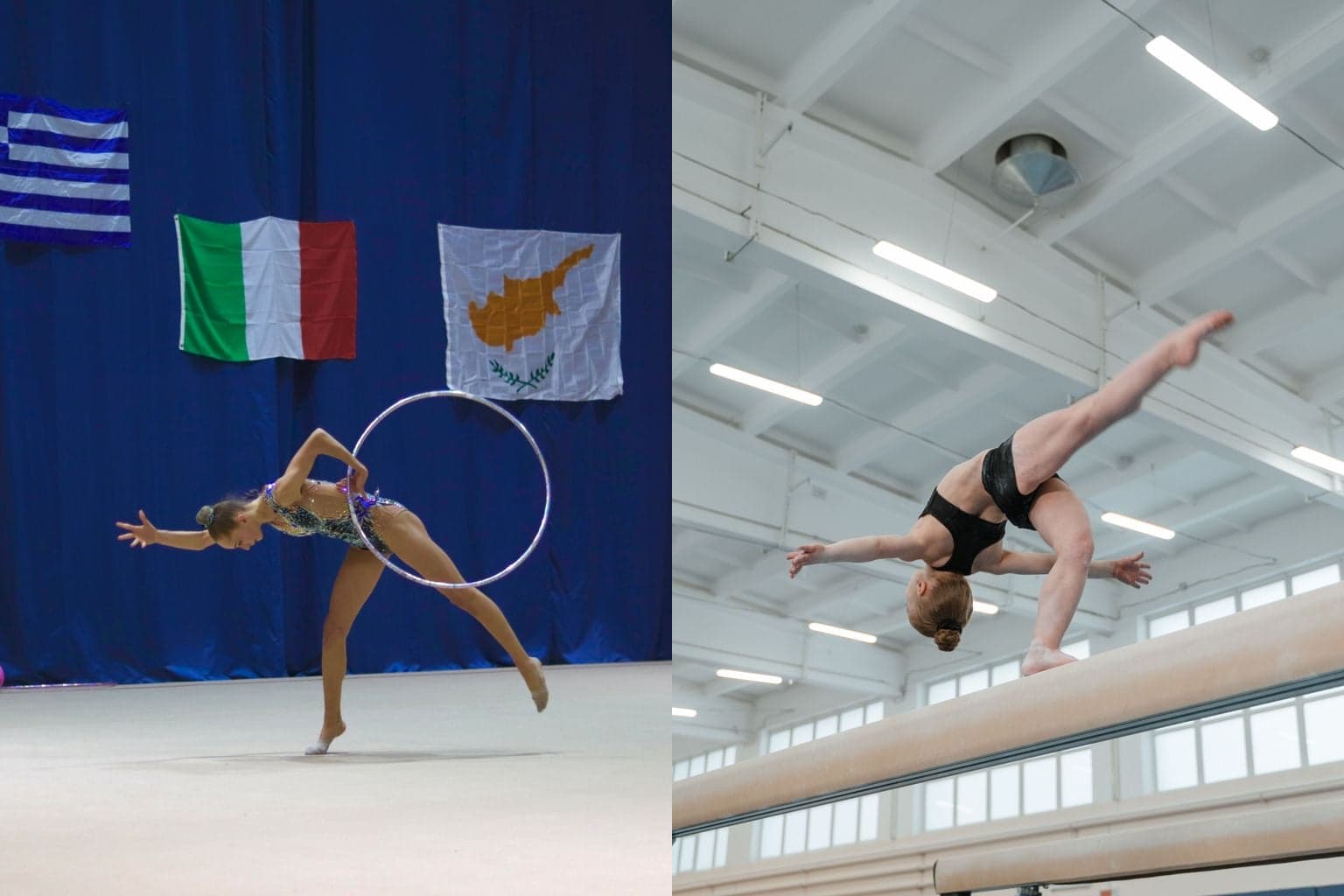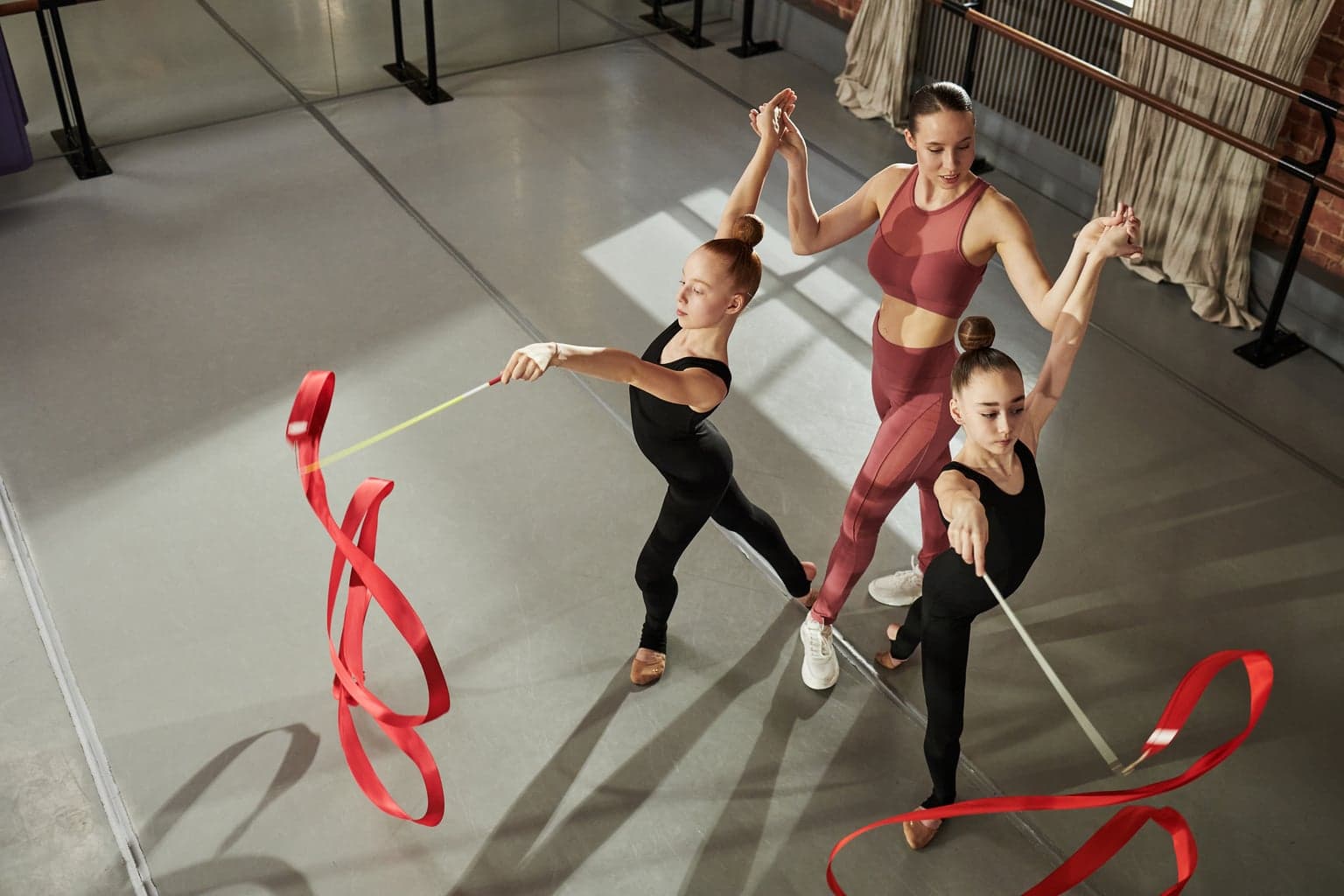
Once school starts, the week fills fast: homework, carpool, early alarms and every activity a family is trying to fit in. So the September question is a fair one. Can rhythmic gymnastics still fit once school is back?
Yes. The plan just has to start from the school week you actually have, not the summer one you just left.
Start From the School Day
Put school first: class time, homework and sleep. A weekly gymnastics class should fit around those three, and it helps to be honest about the evening before you choose a day. Which nights usually carry the most homework? Who is driving? What time does your child need to be in bed? The CDC publishes recommended sleep amounts for school-age children and teens; choose a class time that still leaves room for that bedtime.
What One Class a Week Can Look Like
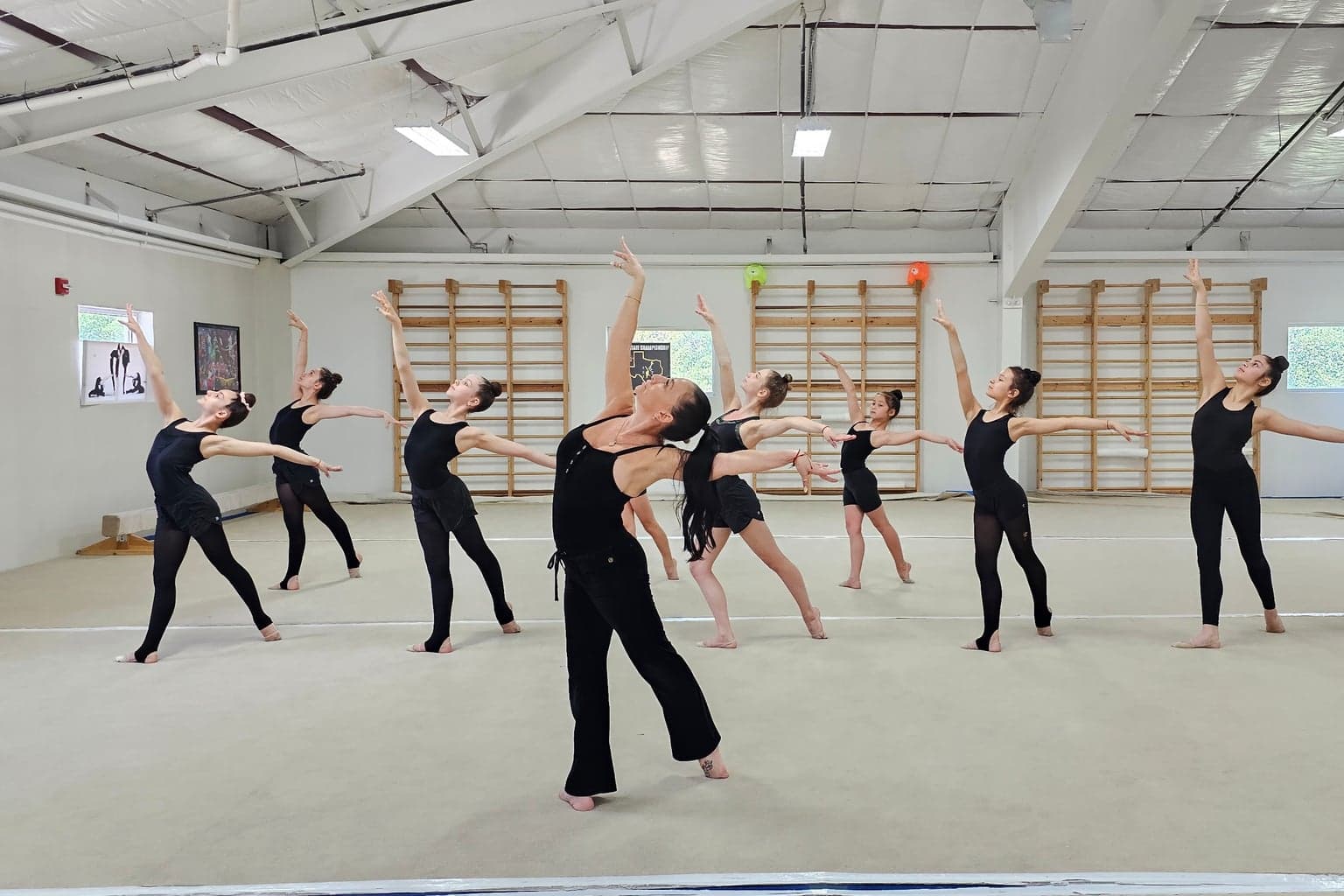
You do not need a packed schedule to start. One weekly class can be a manageable starting point for a new student, and whether it is the right one for your child is a good conversation to have with the coach at the trial. Our classes differ in length and day, so it is worth a look at the current and upcoming options:
- Recreational Rhythmic Gymnastics is a weekly class for girls ages 8 to 18. It welcomes beginners and students who already know the sport and want a friendly, non-competitive setting. No experience is needed. A student who later becomes interested in competitive training can explore our Competitive Program; competition is optional.
- Beginners offers 60- or 90-minute classes in McKinney and Frisco. The available days and lengths depend on the studio.
- Homeschool Rhythmic Gymnastics is a 60-minute weekday afternoon class for girls ages 5 to 12 whose families homeschool.
- Preschool meets on Saturday mornings in McKinney for ages 3 to 5.
Competitive training is a separate program with its own evaluation. The free trial page shows the current and upcoming class dates and times by studio.
Pick the Day That Fits the Week
Timing matters as much as total hours. Try to keep a class off the night that usually carries the most homework, and think through the drive: who picks up, whether a snack in the car helps, and how early the evening needs to end. Our classes fall on weekday afternoons and evenings and on Saturdays, so you may be able to leave the hardest nights clear. If the first day you pick turns out badly, ask about another. Changing the day is a normal adjustment, not a setback.
Movement After a Day of Sitting
Much of a school day is spent sitting and listening. A rhythmic class is a different kind of hour: moving, listening to music and practicing something with the whole body. For some children that change of pace is the best part of the week. An hour of practice can simply be enjoyable; it does not have to be one more thing to be productive at. On the way home, try asking what went well before you ask what was hard.
What Progress Looks Like From September to May
Progress during the school year often shows up in small ways. It may look like a sequence that was lost in October and held in November, a catch that drops less often, a quicker reset after a mistake, or a student who asks to try the hard part again. That is what steady weekly practice can look like, and it is worth noticing out loud.
Rest Is Part of the Plan
Illness, a heavy test week, travel or a child who is plainly worn out are all good reasons to take a lighter week, and a short break is not a failure. Never push a child through pain or exhaustion, and if a symptom worries you, ask your doctor. The American Academy of Pediatrics puts fun and the child's own choice at the center of youth sport; its page Burnout in Young Athletes: How to Keep the Fun in Sports is a short, useful read for busy families.
If your child stops enjoying class, talk with the coach. A different day, a lighter stretch, a different program or a pause are all reasonable answers, and so is stopping. The aim is a child who wants to come back, not a schedule kept for its own sake.
Try It on a Real School Week
A trial during an ordinary school week can help you judge how the class fits. Book a free trial at our McKinney or Frisco studio and notice the simple things: how the drive goes, how the rest of that day feels, and whether your child asks about the next class.
New to the sport? Our guide to what to expect at a first class covers what to wear and how a class runs. Still choosing between sports? Start with rhythmic versus artistic gymnastics. Questions before you book? Get in touch and we will help you look at the options.