Walking into any new activity can feel uncertain - for both kids and parents. What will they do? What should they wear? Will my child keep up? These are completely normal questions, and we hear them every week.
Here is exactly what happens before, during, and after your child's first rhythmic gymnastics class at Rhythmic Ribbon of Texas, so you can both arrive feeling confident and ready.
Before You Arrive
What to Wear
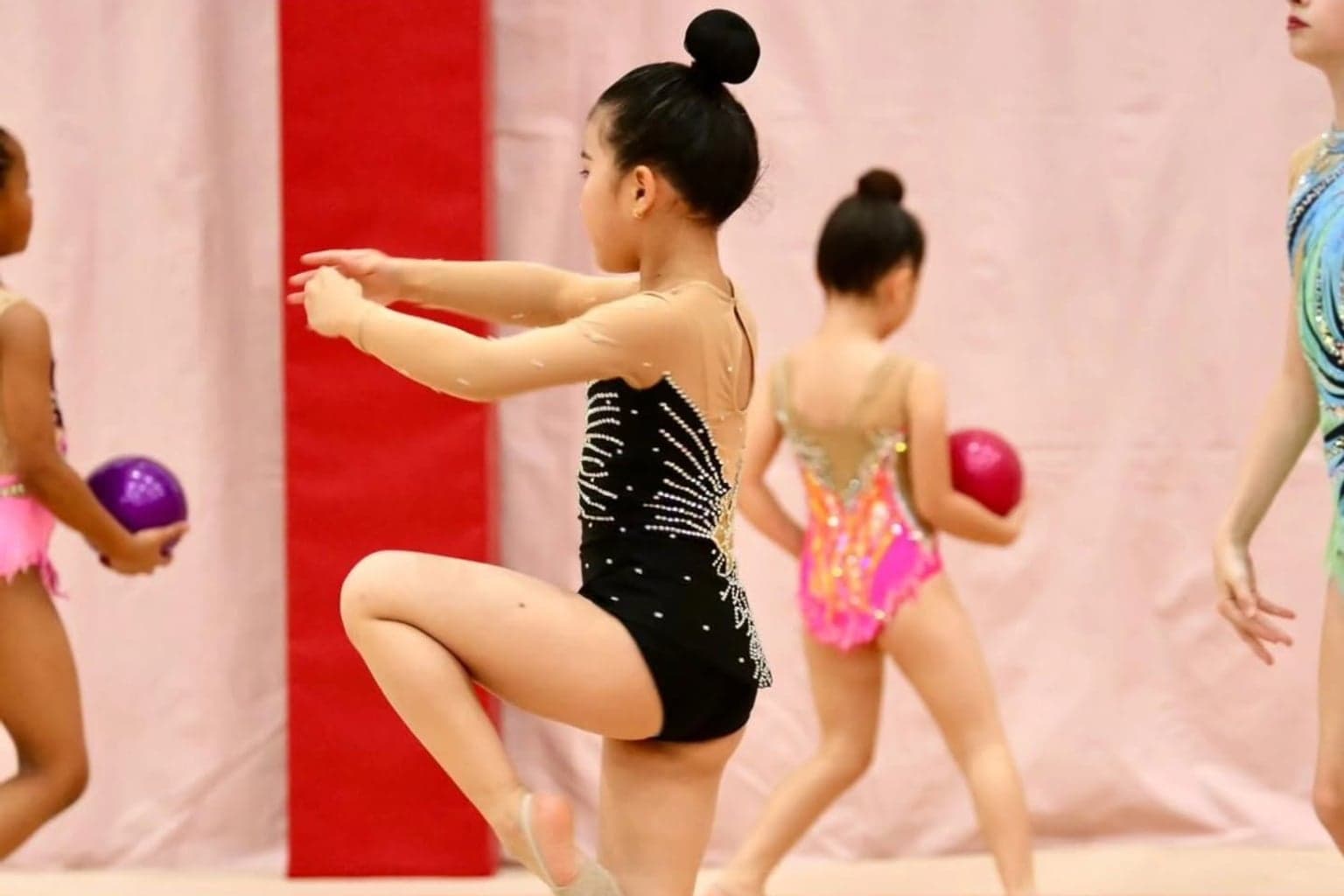
Your child does not need to own a leotard for their first class. Fitted athletic clothing works perfectly - think leggings and a snug t-shirt or tank top. Loose, baggy clothing makes it harder for coaches to see body alignment and can get caught during exercises.
- Leotard or fitted athletic clothing (leggings + snug top)
- Hair pulled back in a bun or tight ponytail - nothing loose around the face
- White socks (required - no bare feet)
- No jewelry, watches, or hair clips that could snag or cause injury
What to Bring
- A water bottle (there will be water breaks)
- A light snack for after class if needed
Plan to arrive about 10 minutes early. This gives your child time to look around, get comfortable with the space, and meet their coach before class begins.
During Class: What Actually Happens
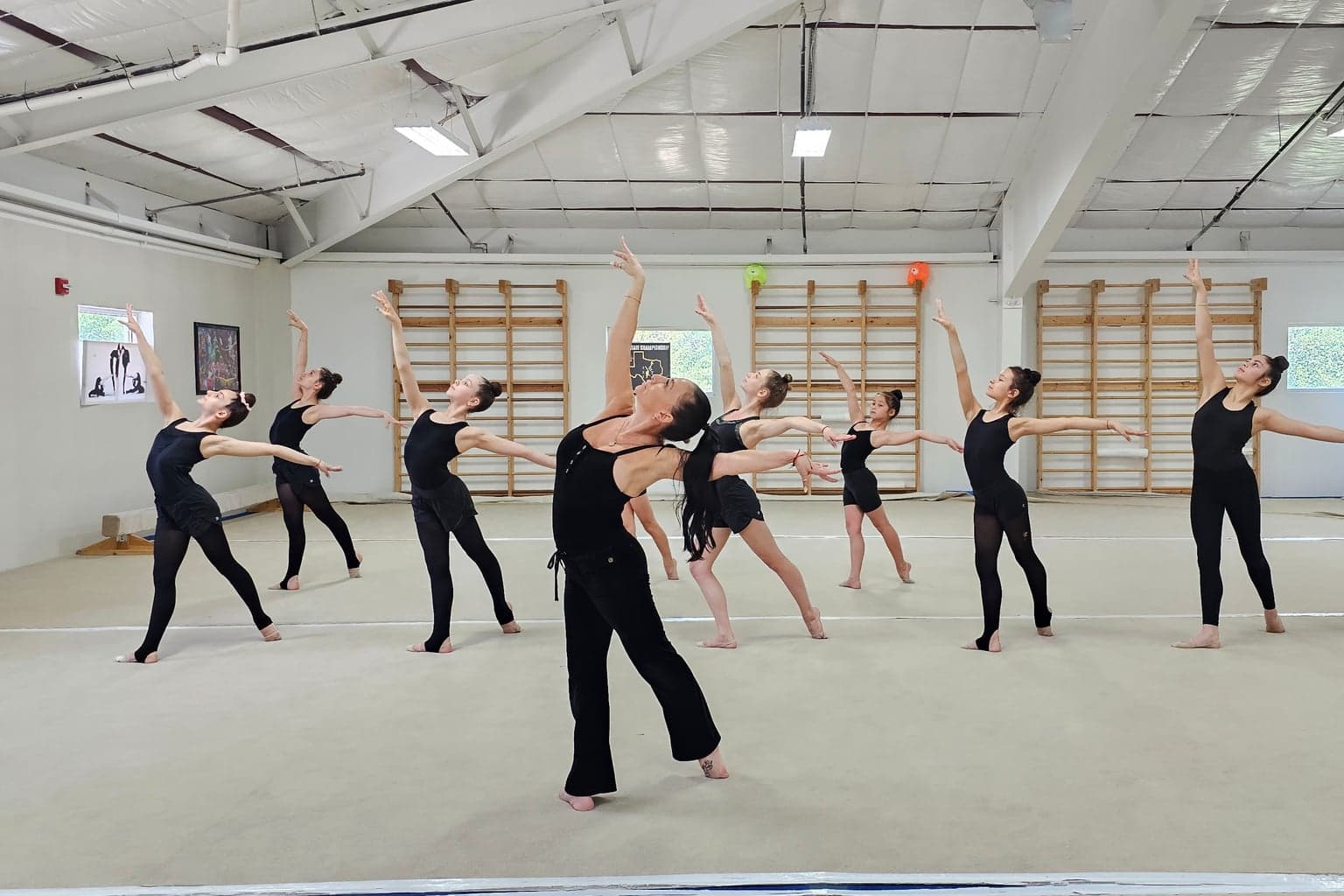
Every class follows a structured flow, but within that structure there is plenty of room for creativity and fun. How long each part takes depends on your child's age and the length of the class. Here is what a typical session includes:
1. Warm-Up
Class opens with music and movement. For younger children, this might be marching, animal walks, or follow-the-leader games. For older beginners, it includes jogging, skipping, and dynamic stretches. The goal is to get bodies warm and minds focused.
2. Stretching and Flexibility
Coaches guide children through deliberate, age-appropriate stretching that develops flexibility safely over time. Your child will not be pushed into painful positions - flexibility is built gradually through consistent practice, not force.
For preschoolers, stretching is woven into games and stories. For beginners ages 5-18, it includes guided splits preparation, backbends, and shoulder flexibility work.
3. Body Elements
"Body elements" are the jumps, turns, and balances that form the core of rhythmic gymnastics. In a first class, your child will try basic versions: balancing on one foot, a simple jump, or walking on their toes across the floor. Coaches break everything into small, achievable steps.
4. Apparatus Work
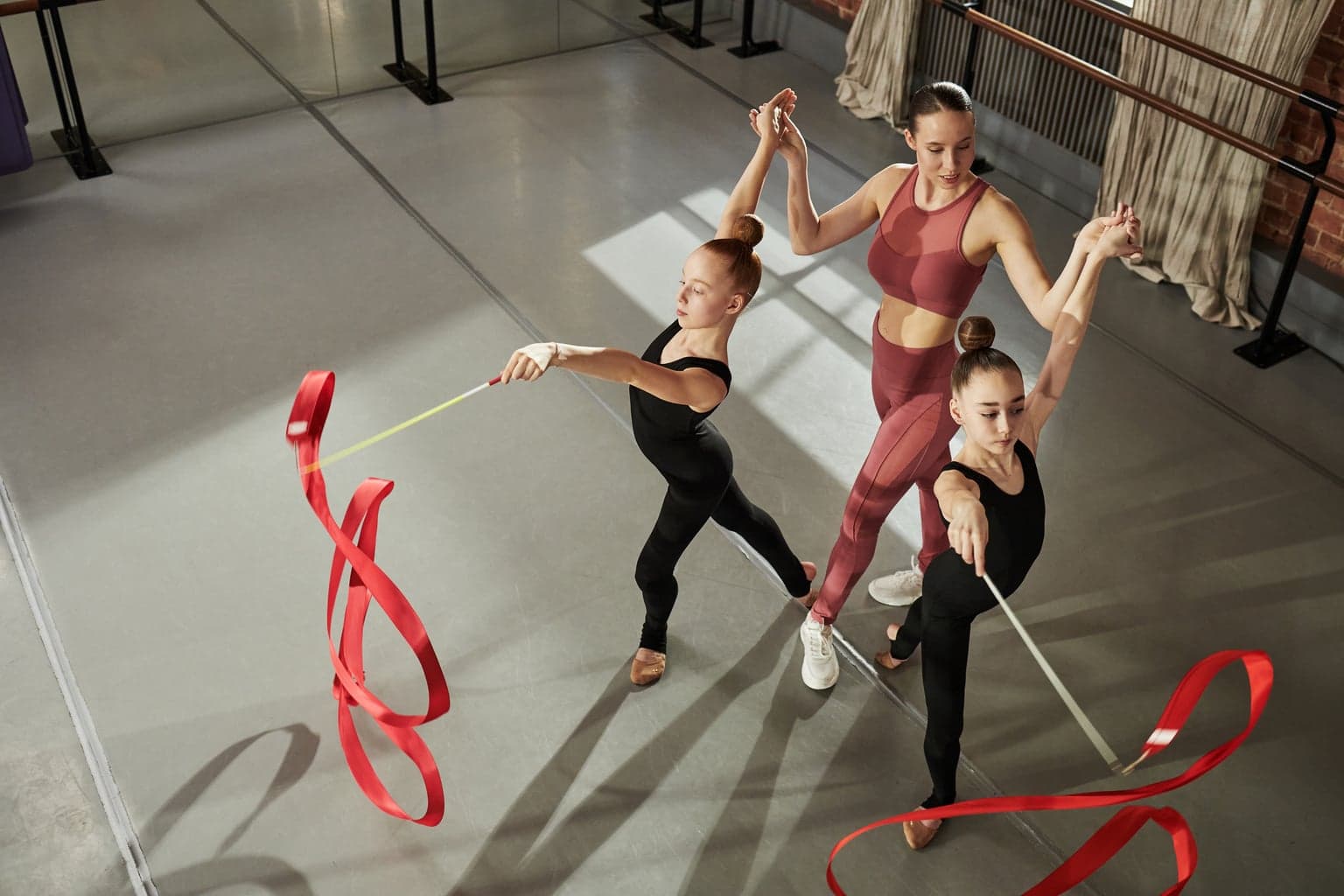
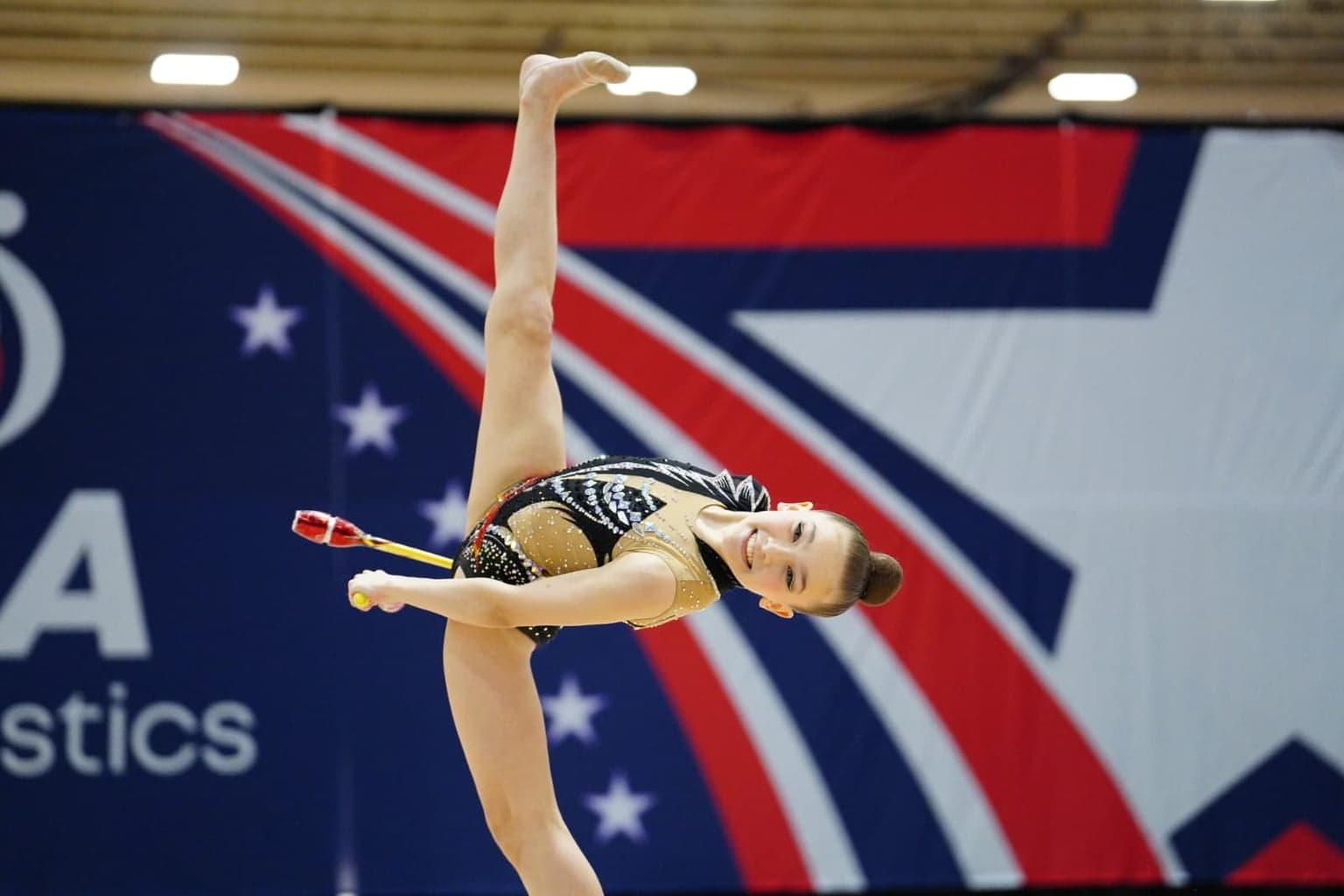
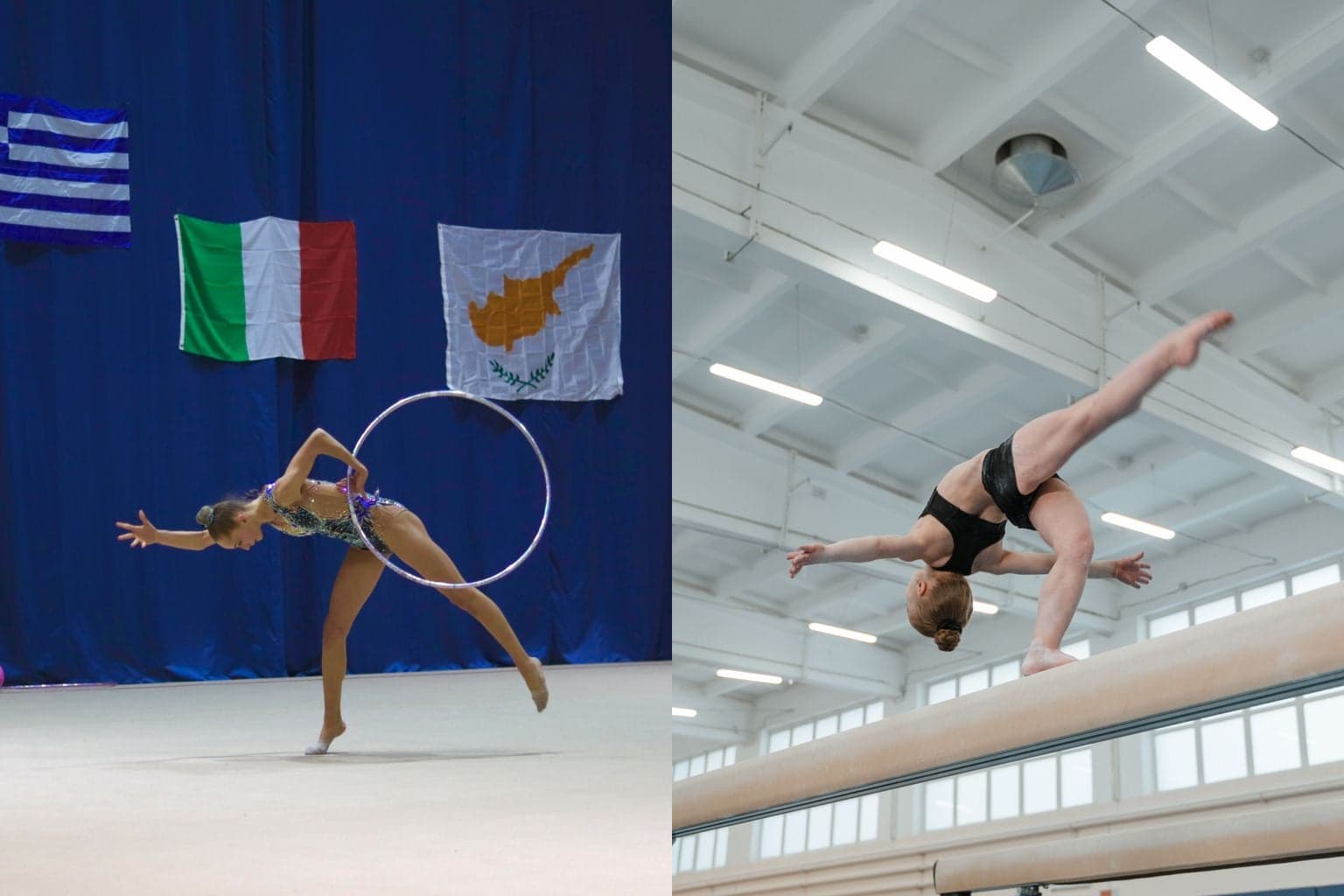
This is usually the favorite part. Rhythmic gymnastics uses five apparatus: ball, rope, hoop, ribbon, and clubs. In a trial class, children typically work with one or two of these - often ball and ribbon since they are the most intuitive.
Children learn basic throws, catches, rolls, and swings. It feels more like play than practice, which is exactly the point. The technical refinement comes later - the first class is about discovery and enjoyment.
5. Cool-Down and Wrap-Up
Class finishes with gentle stretching and a moment for coaches to give encouragement. After class, coaches are available to talk with parents about what they observed and answer any questions.
Where Parents Watch
Parents are welcome to watch from the designated viewing area. We ask that parents stay visible but not on the training floor, so children can focus on their coach and their new classmates.
For preschoolers especially, seeing a parent nearby helps them feel secure while still building independence. If your child needs a moment with you during class, that is perfectly fine - our coaches are experienced with first-timers.
What If My Child Is Shy or Hesitant?
This is more common than you might think, and our coaches are prepared for it. Here is what we have learned from working with hundreds of first-time students:
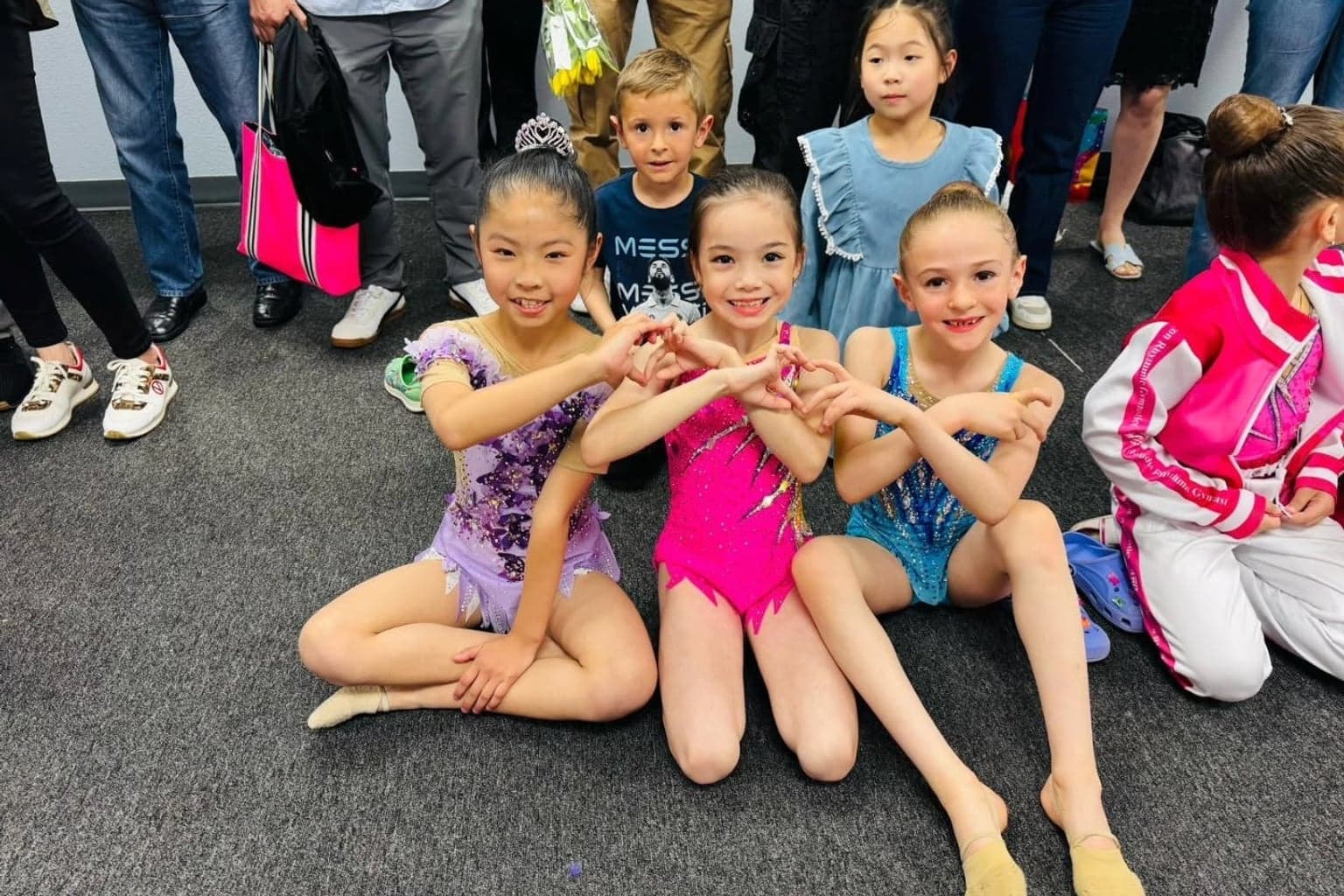
- Some children jump right in. Others need a few minutes (or a full class) to observe before participating. Both responses are completely normal.
- Coaches will gently invite hesitant children to join but will never force participation.
- Many of our most enthusiastic students were the quietest ones in their first class.
- If your child does not fully participate the first time, we recommend trying at least one more class before deciding.
Preschool vs. Beginners: Which Class Is Right?
Here are two options for a first class:
Preschool (Ages 3-5)
- 60-minute sessions
- Play-based learning with music and props
- Focus on coordination, rhythm, and fun
- McKinney location
- Learn more
Beginners (Ages 5-18)
- 60- or 90-minute sessions
- Structured training with all five apparatus
- Ballet barre, body elements, and choreography
- McKinney and Frisco locations
- Learn more
Not sure which is the right fit? Take our 30-second quiz for a personalized recommendation.
After the First Class
After class, take a few minutes to talk with your child about what they enjoyed. Avoid asking "Did you like it?" (a yes-or-no question that often gets a shrug). Instead, try:
- "What was the most fun part?"
- "Did you try the ribbon? What did it feel like?"
- "Tell me about your coach."
- "Would you want to go back and try it again?"
Children who are excited after class are telling you something important. Follow that energy.
Frequently Asked Questions
Does my child need prior experience?
No. Our trial classes are designed for complete beginners. Many of our students had zero gymnastics or dance experience before their first class.
Can I stay and watch?
Yes. Parents watch from the viewing area. We encourage you to stay for the first class so your child feels supported.
What if my child is older than most beginners?
Our Beginners Program welcomes ages 5-18, and an older beginner can still start. Coaches meet each girl at her current level and build from there.
How much does a trial class cost?
Trial classes are free. No commitment, no obligation. We want your child to experience the sport before you make any decisions.
Can I bring siblings?
Yes. Our Free Trial form supports multiple children, and siblings can often try classes at the same time slot.
Book Your Free Trial
The best way to know if rhythmic gymnastics is right for your child is to let them try it. Book a free trial class at our McKinney or Frisco studio. We will take care of the rest.
Questions before booking? Reach out anytime - we are happy to help.