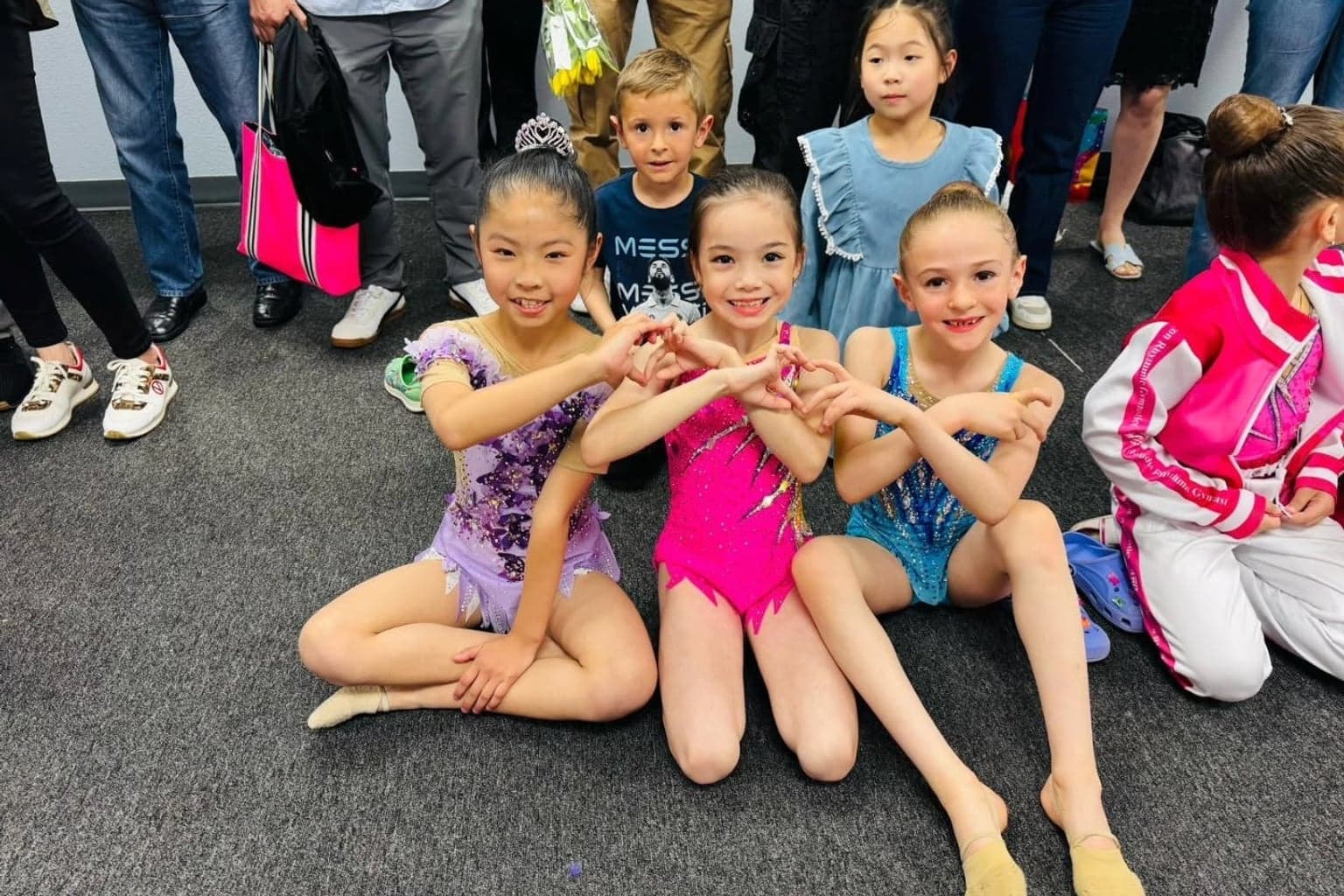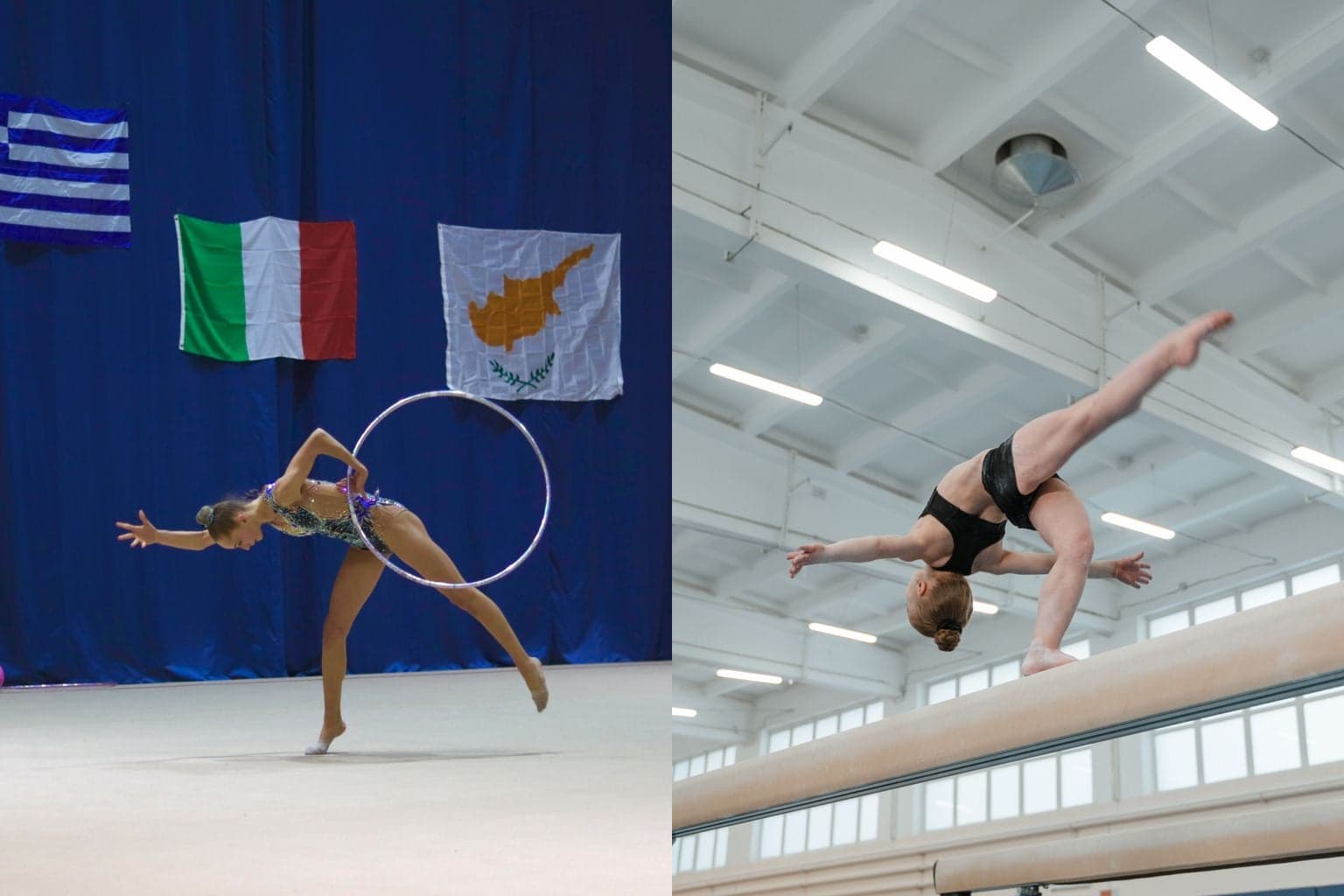
If you search for "gymnastics classes near me" in the Dallas-Fort Worth area, most of what comes up is artistic gymnastics - the kind with vaults, bars, and backflips. But there is another Olympic gymnastics discipline, and it might be exactly what your child is looking for.
Rhythmic gymnastics combines dance, music, and handheld apparatus into routines that are equal parts athletics and artistry. It has been an Olympic sport since 1984, and it trains a different mix of skills than artistic gymnastics.
This guide will help you understand the key differences so you can make an informed decision for your family.
What Is Rhythmic Gymnastics?
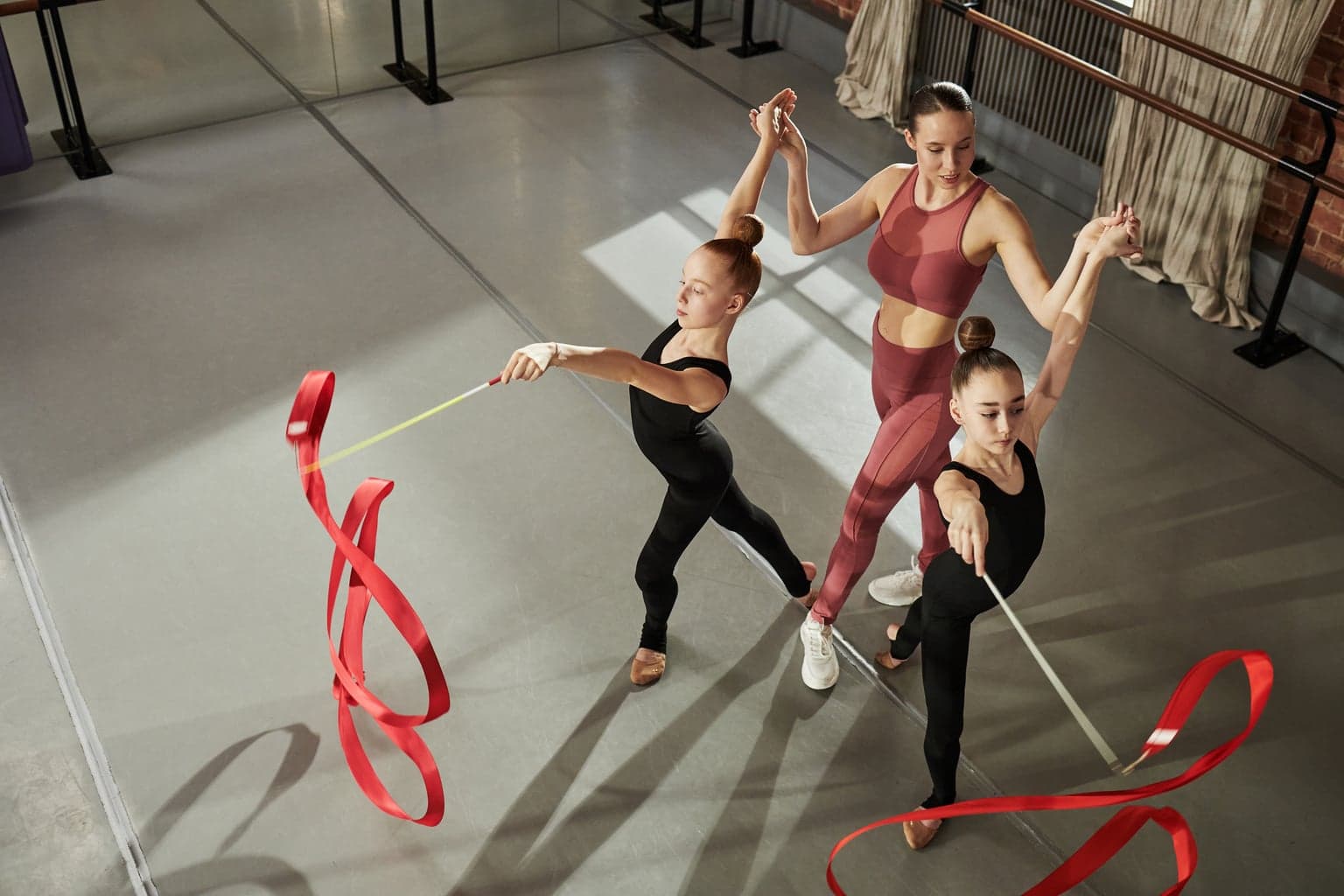
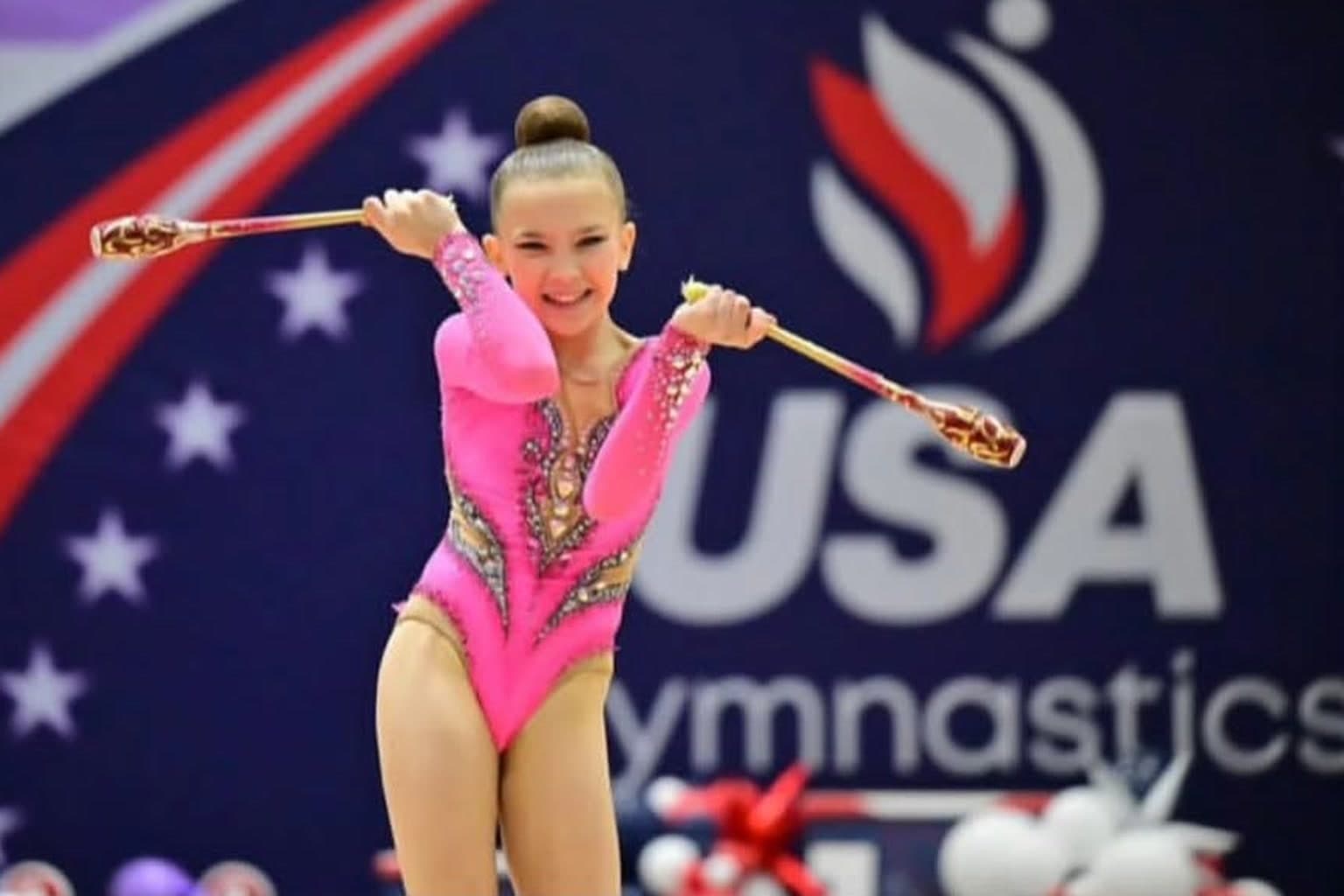
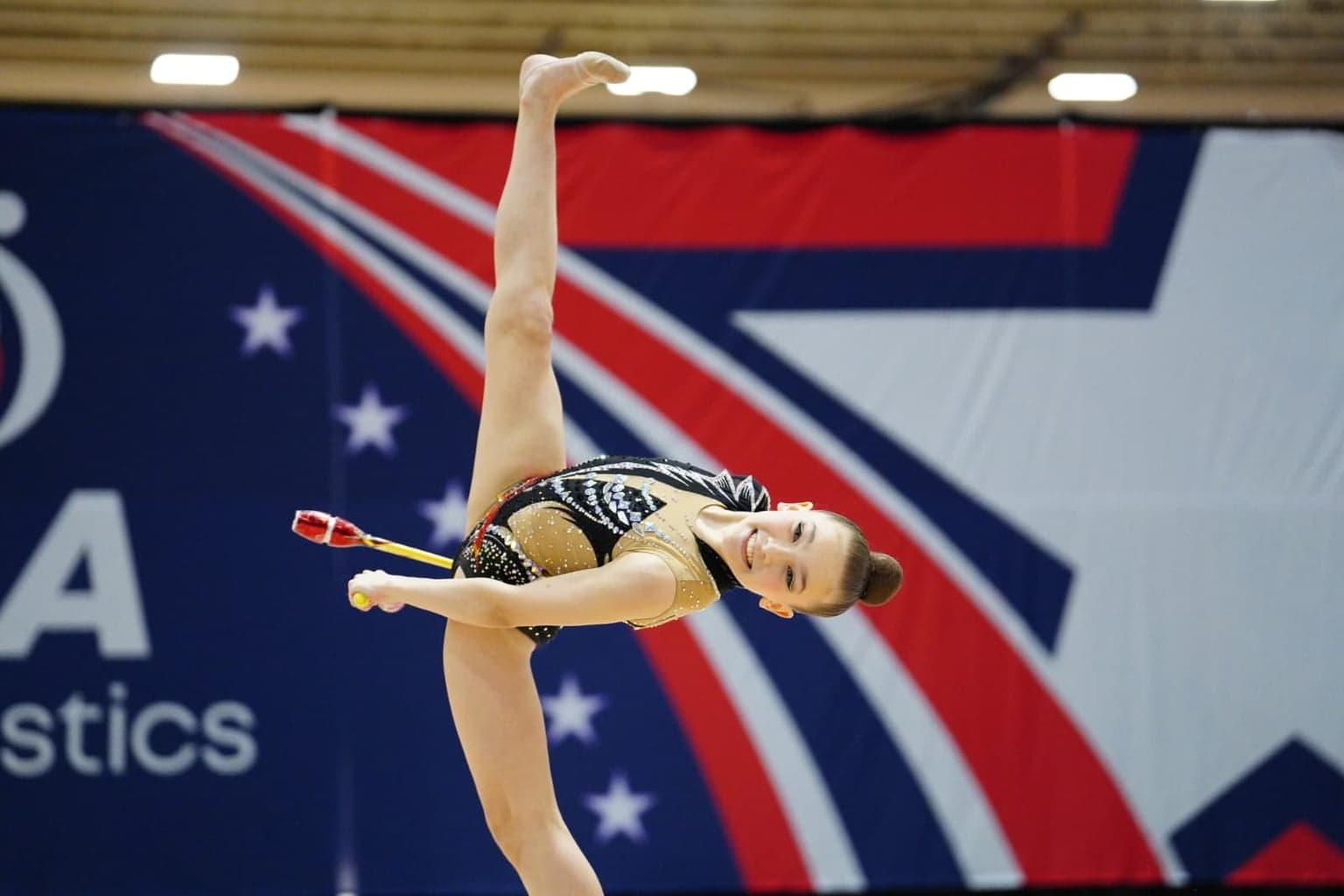
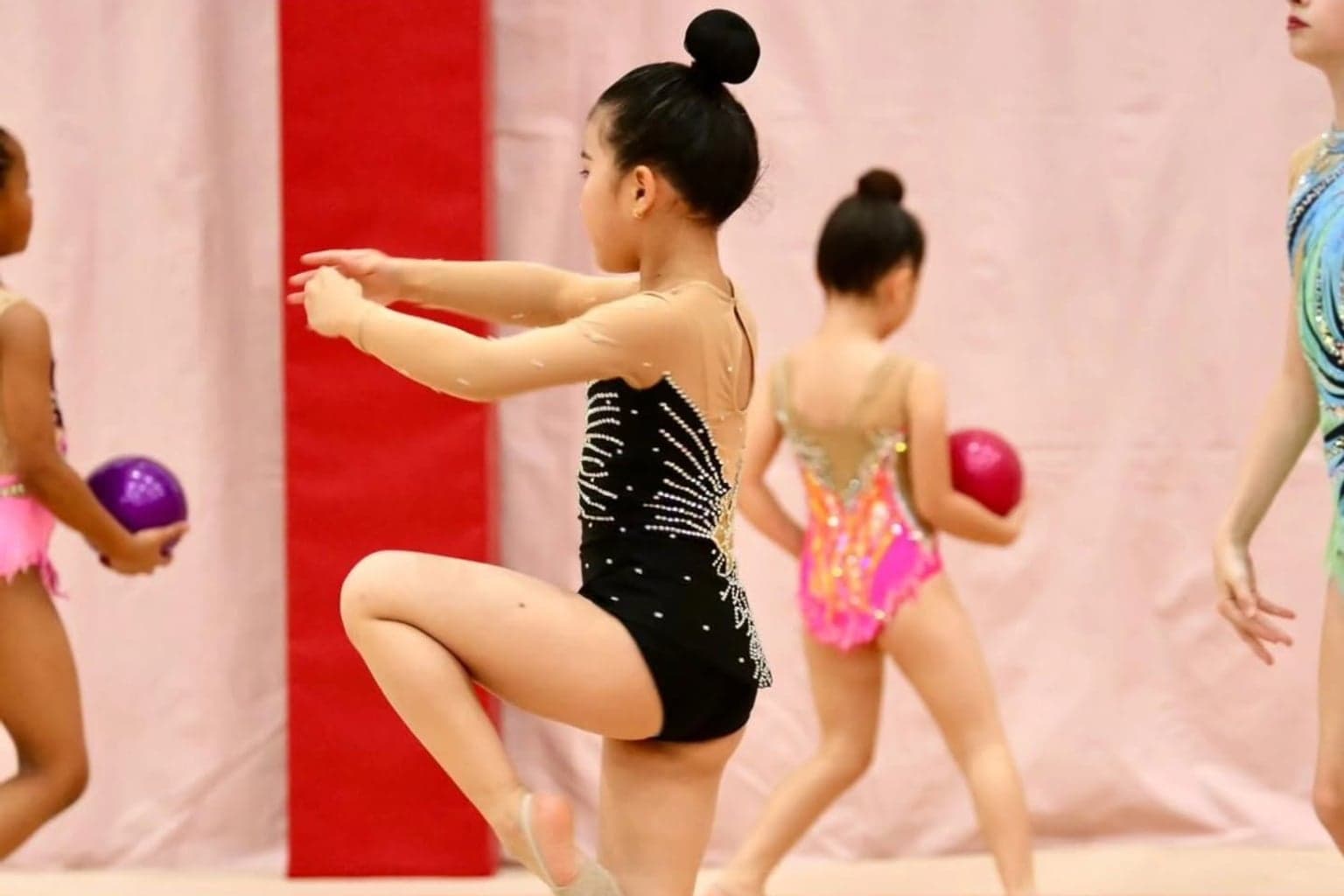
Rhythmic gymnastics is a sport where athletes perform choreographed routines to music using one of five handheld apparatus: rope, hoop, ball, clubs, or ribbon. Every movement is synchronized to music, and routines are judged on difficulty, artistry, and execution.
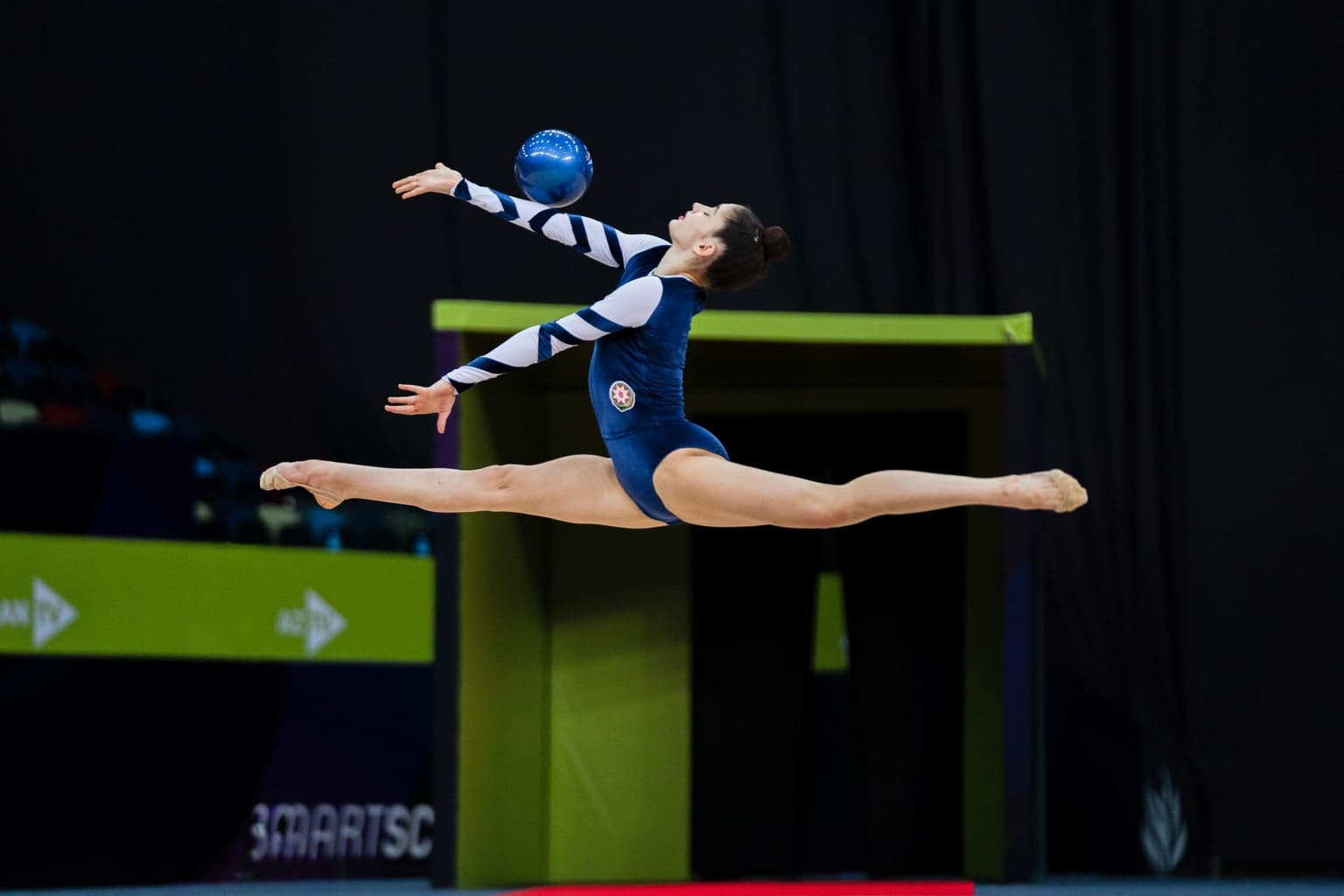
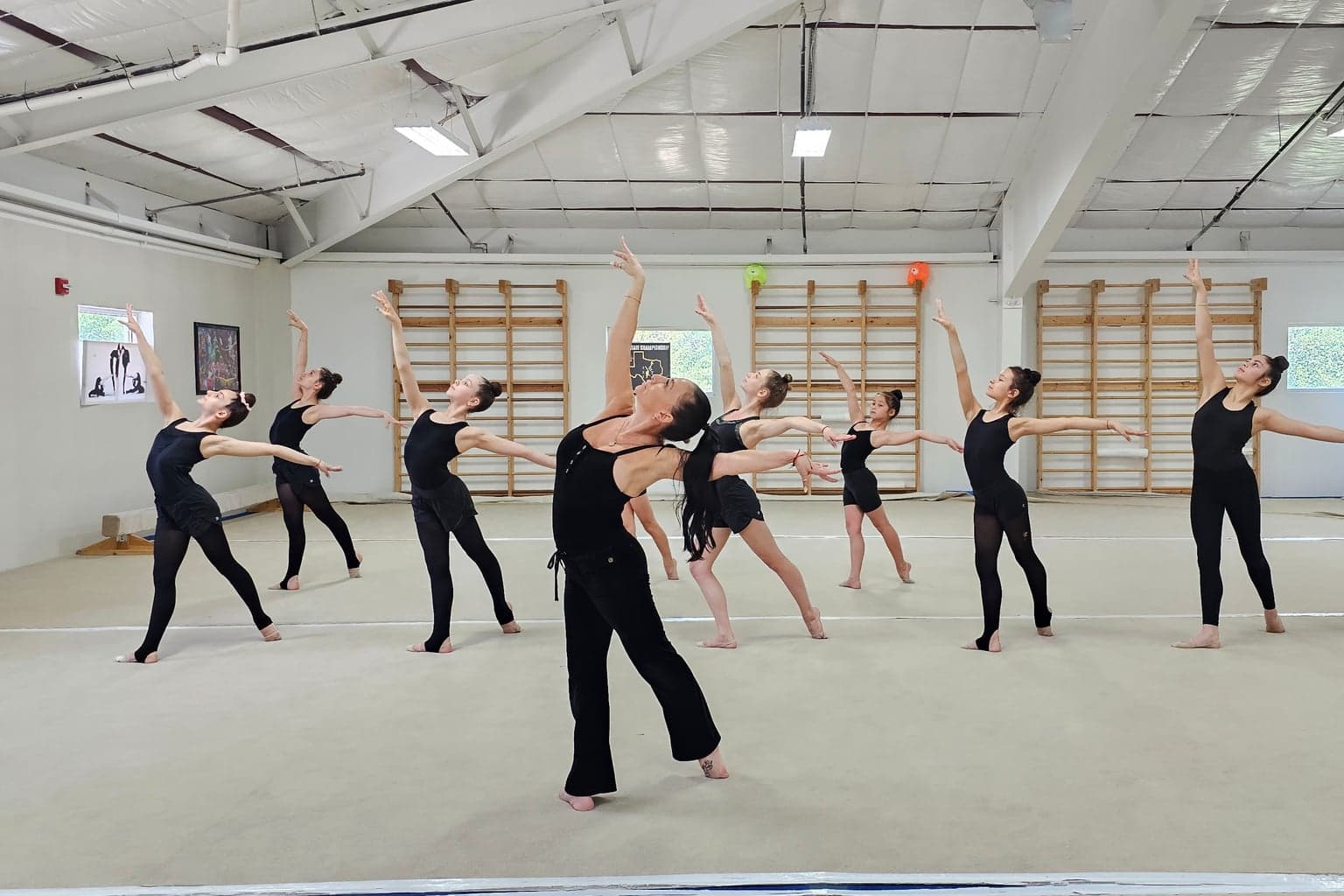
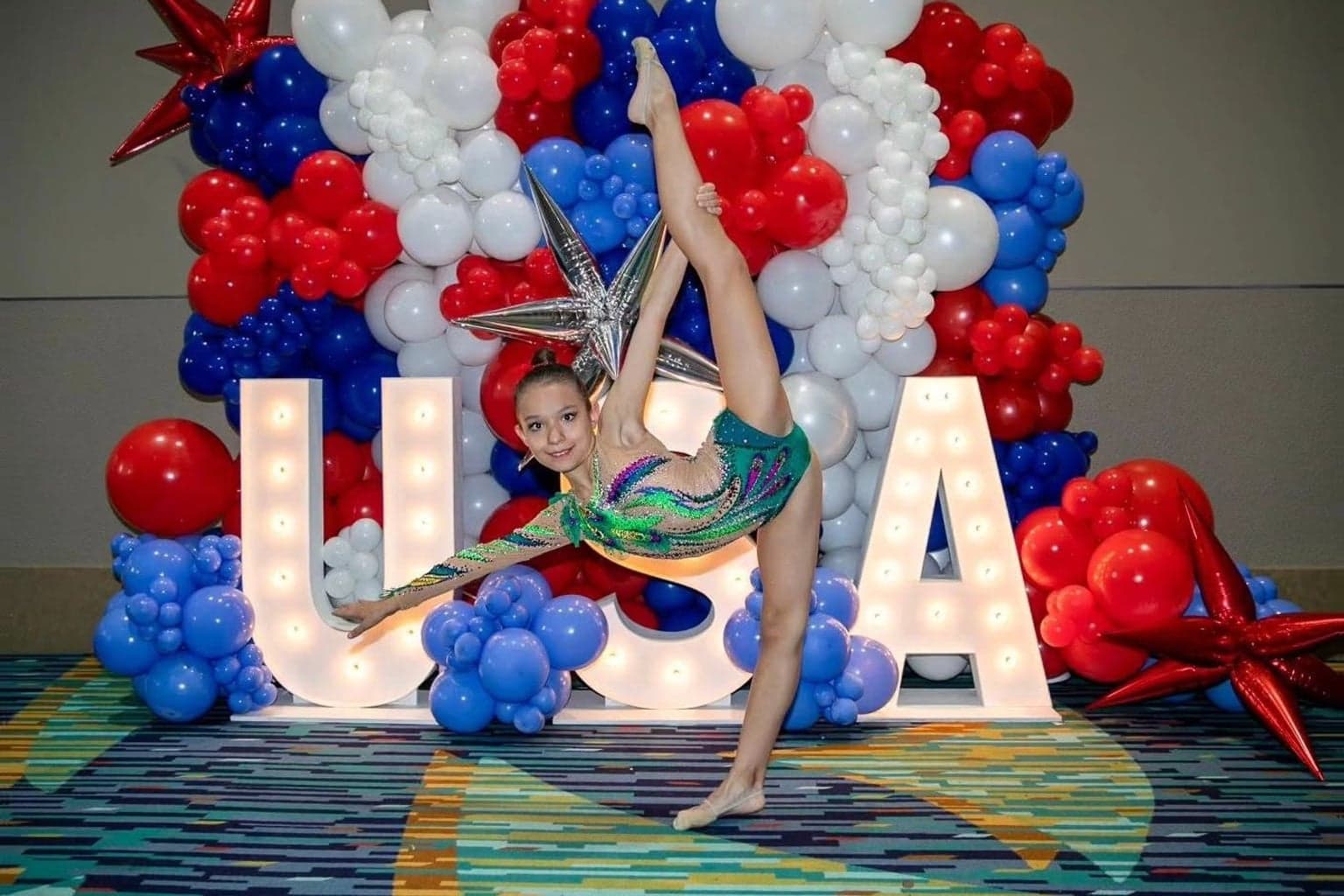
The body technique is rooted in classical ballet. Gymnasts perform leaps, turns, balances, and flexibility elements while simultaneously manipulating their apparatus - tossing a ball into the air, catching it behind the back, spinning a hoop on the hand, or creating spirals with a ribbon at least five meters long.
At the Olympic level, rhythmic gymnasts compete individually and in groups of five. The sport rewards grace, musicality, body control, and the ability to make extraordinarily difficult skills look effortless. You can learn more about rhythmic gymnastics on our About page.
What Is Artistic Gymnastics?
Artistic gymnastics is the discipline most people picture when they hear the word "gymnastics." Women compete on four apparatus - vault, uneven bars, balance beam, and floor exercise. Men compete on six - floor, pommel horse, rings, vault, parallel bars, and horizontal bar.
The sport emphasizes acrobatic skills - flips, twists, handsprings, and aerial maneuvers. Strength, power, and explosive athleticism are central. Music is only used in the women's floor exercise.
How They Compare
Both are Olympic sports. Both require years of dedicated training. But the day-to-day experience for your child is quite different.
Equipment
Rhythmic: Handheld props the athlete manipulates during routines - rope, hoop, ball, clubs, and ribbon
Artistic: Fixed apparatus the athlete performs on - vault, bars, beam, floor, rings
Music
Rhythmic: Every routine is performed to music. Musical interpretation is scored.
Artistic: Music only used in women's floor exercise. Most events are silent.
Movement Style
Rhythmic: Dance-based: ballet, body waves, leaps, flowing transitions with apparatus
Artistic: Acrobatic: flips, twists, handsprings, tumbling passes, aerial skills
Body Emphasis
Rhythmic: Flexibility, grace, coordination, long lines, expressiveness
Artistic: Strength, power, explosive speed
Acrobatic Skills
Rhythmic: Not centered on tumbling. The Code of Points authorizes defined pre-acrobatic groups, including cartwheels and walkovers, within set technique limits. RRT Preschool classes do not teach them.
Artistic: Handstands and cartwheels are foundational; flips, handsprings, and tumbling passes are added through progression.
Physical Demand
Rhythmic: Demands come from flexibility work, apparatus control, and dance.
Artistic: Centers on tumbling, flight, and repeated landings.
Which Is Right for Your Child?
There is no wrong answer, and many children try both before gravitating toward one. But here are some patterns we see at our studio:
Your child might love rhythmic gymnastics if they:
- Love dancing, moving to music, or performing
- Are drawn to ribbons, hoops, and colorful props
- Prefer grace and expression over raw power
- Are naturally flexible or enjoy stretching
- Don't love the idea of flipping upside down
- Enjoy ballet, figure skating, or dance classes
Your child might love artistic gymnastics if they:
- Love climbing, jumping, and tumbling
- Are naturally strong and enjoy physical challenges
- Get excited about flips, cartwheels, and handstands
- Prefer individual apparatus challenges over dance-based routines
The best way to find out is to let your child try it. A single class tells you more than any article can. Book a free trial class and let your child experience rhythmic gymnastics firsthand.
Can My Child Do Both?
In the early recreational years it is usually workable, and some families try both before deciding which their daughter prefers. The two sports share ballet-based body technique, flexibility, and coordination work, so time spent in one is not wasted if she later chooses the other.
At competitive levels, the two sports diverge significantly. The training volume required for competition makes it impractical to pursue both seriously, so most families eventually choose one. There is no universal age at which that has to happen. The timing depends on the child's goals, her schedule, her readiness, and what her coach and family judge is right.
Starting Rhythmic Gymnastics in the DFW Area
At Rhythmic Ribbon of Texas, girls can start at age 3, with programs for different ages and experience levels:
- Preschool Program (ages 3-5) - A playful, dance-based introduction with age-appropriate apparatus
- Beginners Program (ages 5-18) - Year-round 60- or 90-minute sessions covering all five apparatus, ballet, and body technique
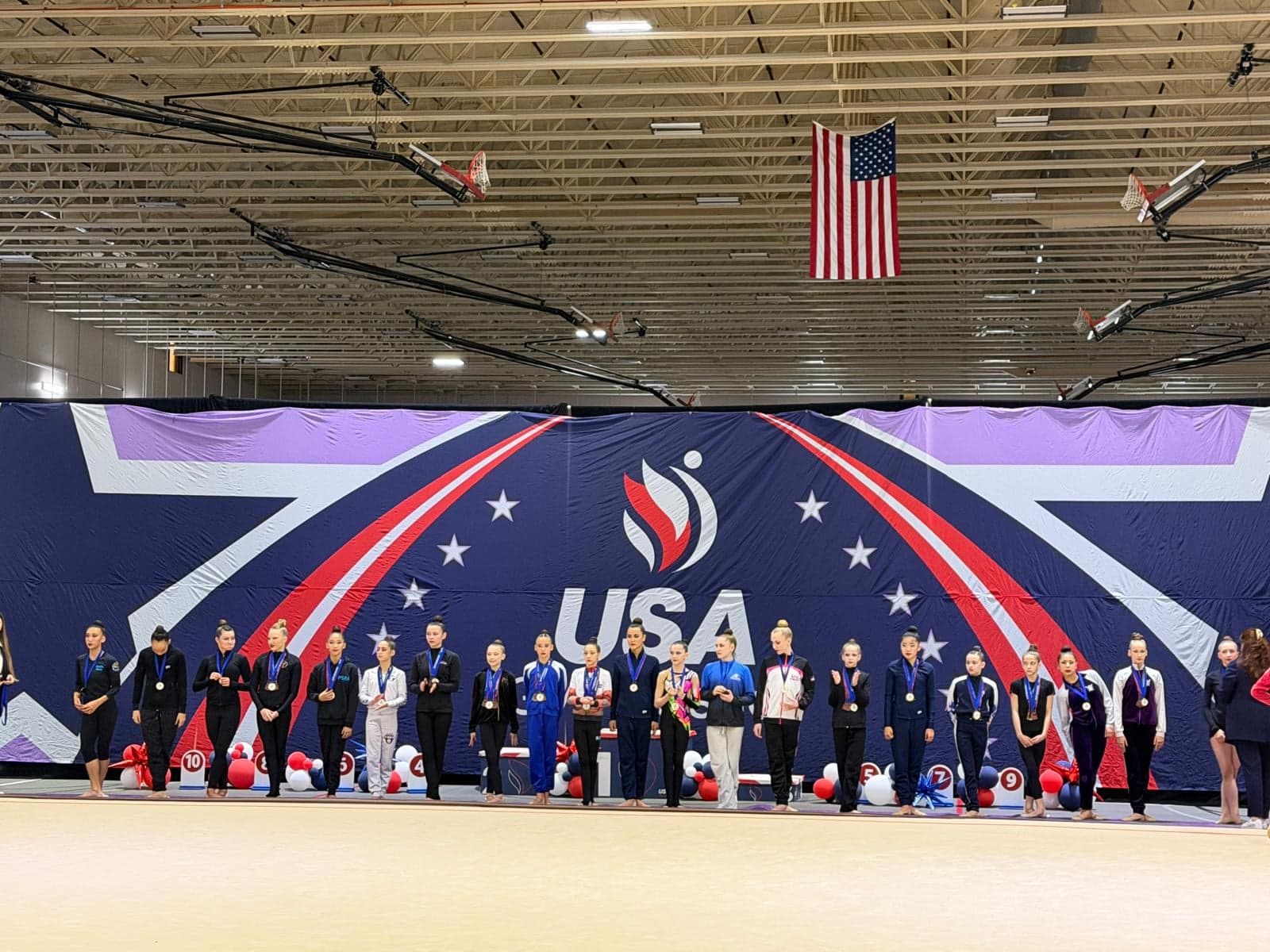
- Competitive Program (ages 6+, by invitation) - USAG-sanctioned training for gymnasts ready to compete at state, regional, and national championships
We train out of studios in McKinney and Frisco, serving families from across the Dallas-Fort Worth area including Plano, Allen, Prosper, and beyond.
Have questions? Contact us or book a free trial to see what rhythmic gymnastics is all about.