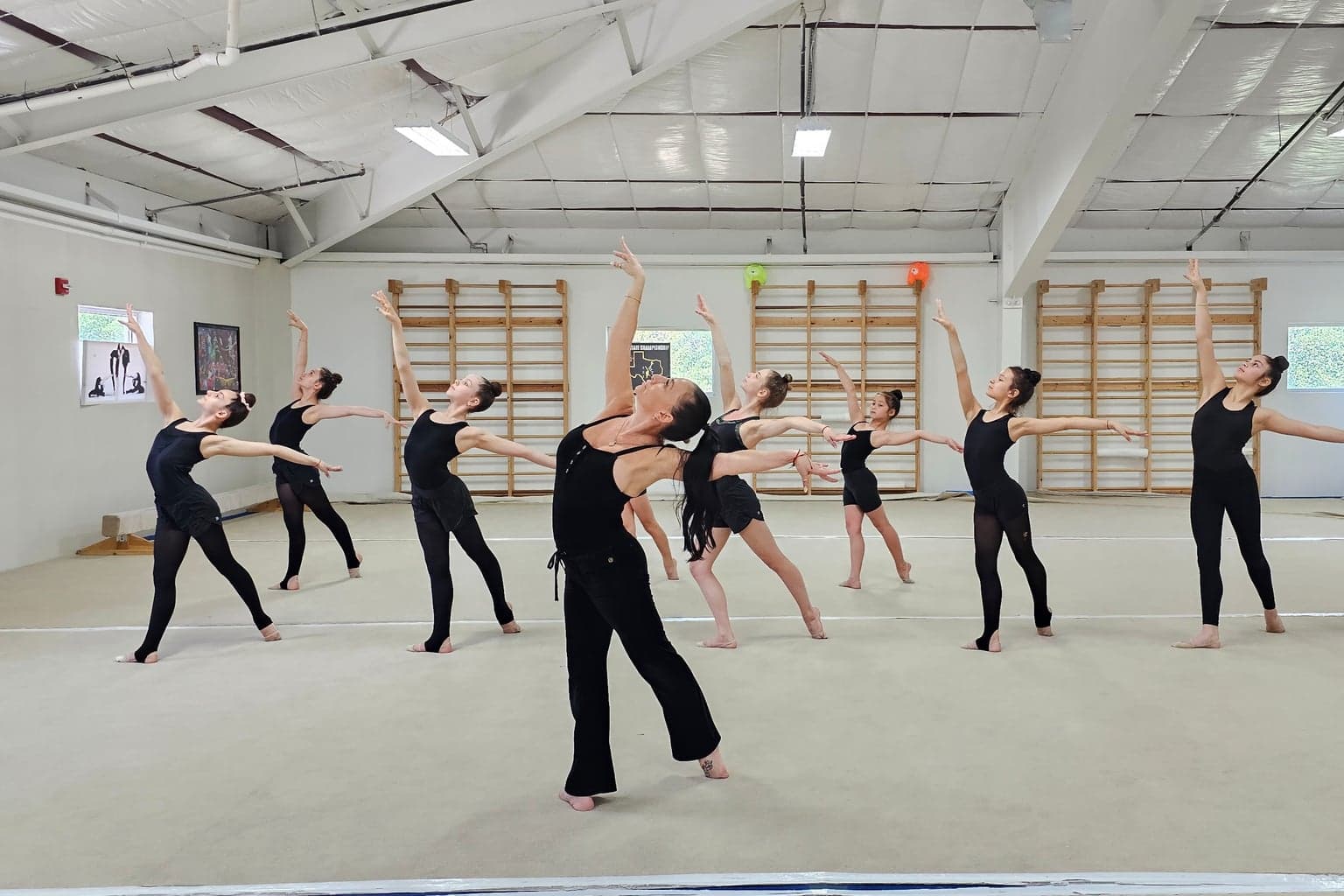
Summer in McKinney, Frisco, and Plano hits hard. The pools are packed, the camps fill up by April, and your active daughter has eight weeks of restless energy looking for somewhere to land. If she is the kind of girl who cartwheels through the kitchen, climbs anything taller than she is, or asks when she gets to dance again, a generic day camp probably is not going to cut it.
This is a coach's guide to picking a summer program that actually matches what she loves, builds real skills, and sends her back to school in August stronger and more confident than she started.
Start With What She Actually Loves
The best summer activity is the one she will keep showing up to in week six, not just week one. Convenience matters, but matching the program to her natural pull matters more. A few patterns we see every summer at our McKinney and Frisco studios:
- If she is constantly moving to music or choreographing routines in the living room, she is wired for dance, gymnastics, or performance arts.
- If she loves being upside down, climbing, or testing her balance, she is wired for tumbling, gymnastics, or martial arts.
- If she lights up when she gets to lead, perform, or be watched, she is wired for activities with showcases, recitals, or competition.
Already pretty sure rhythmic gymnastics is on her short list? Take our 30-second Find Your Program quiz for a personalized recommendation.
What to Look For in a Quality Summer Program
Not every summer program in DFW is built the same. Before you commit to eight weeks (or eight days), here are five things to check:
1. Certified, Experienced Instructors
Ask who is actually leading classes. Many summer programs lean on college students or seasonal hires. That is fine for low-stakes activities, but for sport-specific training you want coaches with credentials, years of experience, and a track record of working with the age group your daughter is in.
2. Low Student-to-Coach Ratios
A 20-to-1 ratio is fine for arts and crafts. It is a problem for any activity that involves physical skill development. Look for programs that cap class size and tell you the ratio up front. Smaller groups mean more correction, more confidence, and fewer kids tuning out at the back.
3. Structured Progression, Not Just Activities
A great program knows where your daughter is on day one and where she will be on day forty. That is the difference between a summer of progress and a summer of busywork. Ask what she will learn, in what order, and how the staff measures it.
4. Indoor, Air-Conditioned Space
Texas summers are not kind. Outdoor camps that promise hours of running around in the heat sound great in theory, but by week two the kids are wilting. An indoor program lets her train consistently, regardless of whether it is 78 or 108 degrees outside.
5. A Trial Class Before You Commit
Programs that believe in their product offer free trials. If a studio will not let your daughter try a class before you sign up, that is a signal. We offer a free trial class at both McKinney and Frisco for exactly this reason.
Why Movement-Based Programs Beat Passive Camps
Crafts, screens, and field trips have their place. But an active daughter usually gets more out of a summer that keeps her moving. Flexibility, coordination, and body awareness are what a physical summer actually works on.
Movement-based programs do three things passive camps cannot:
- They build durable physical skills. Strength, flexibility, and coordination at age 6 to 12 set the ceiling for what is possible at 16.
- They wire confidence to effort. Kids who watch themselves get better at something hard learn that practice produces results, and they apply that lesson everywhere.
- They burn the energy that turns into restlessness later. A daughter who has trained hard in the morning is a different kid in the afternoon.
We wrote a deeper guide on how rhythmic gymnastics builds flexibility that covers how flexibility is trained at different ages.
What Makes Rhythmic Gymnastics a Strong Summer Fit
We are biased, of course. But there are real reasons rhythmic gymnastics works especially well as a summer activity for active girls in DFW:
It Runs Year-Round
Our classes do not pause for summer. That means your daughter can start in May and stay enrolled into the school year without restarting the clock, or she can use summer as a low-pressure trial window before committing to the fall.
It Combines Four Disciplines in One
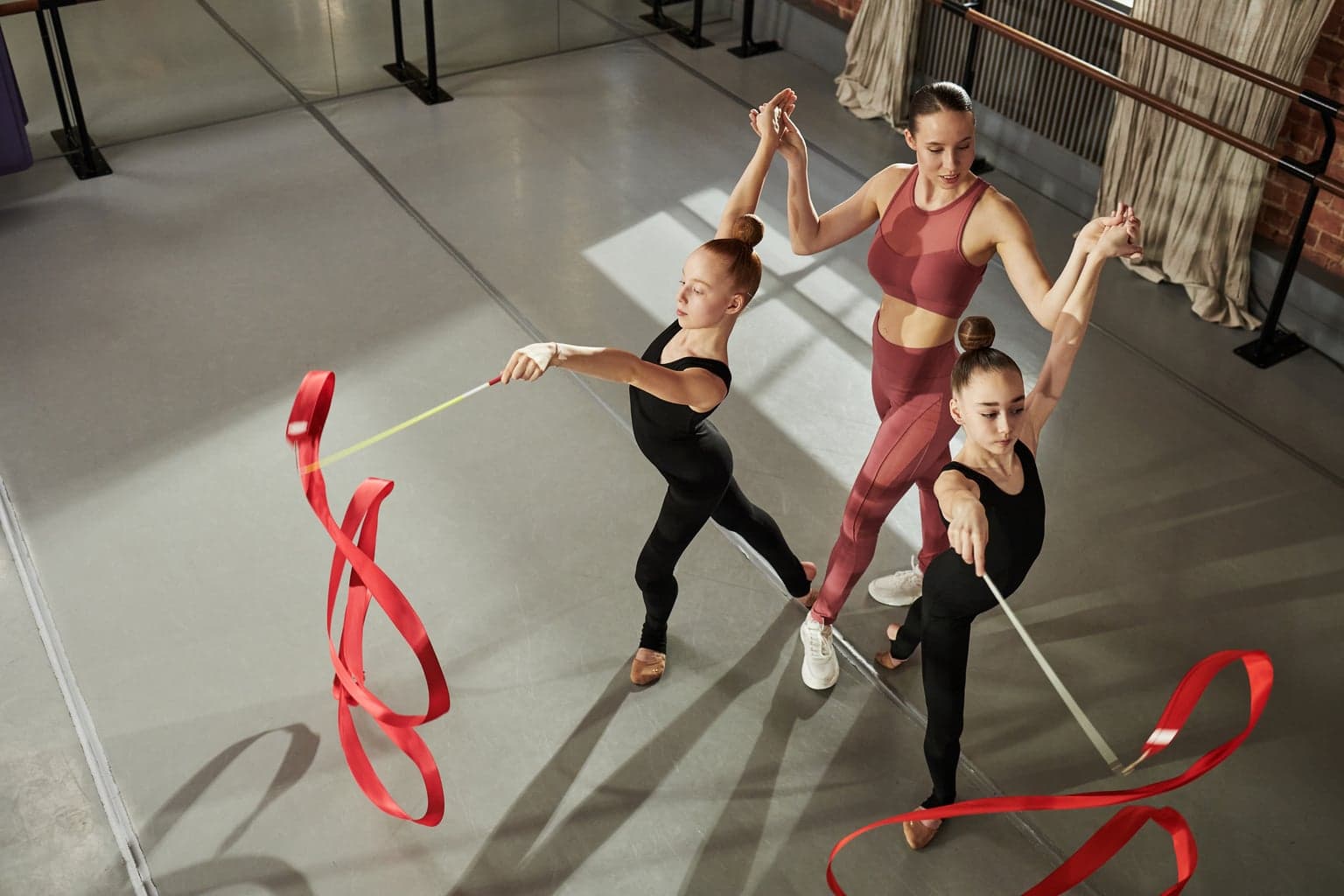
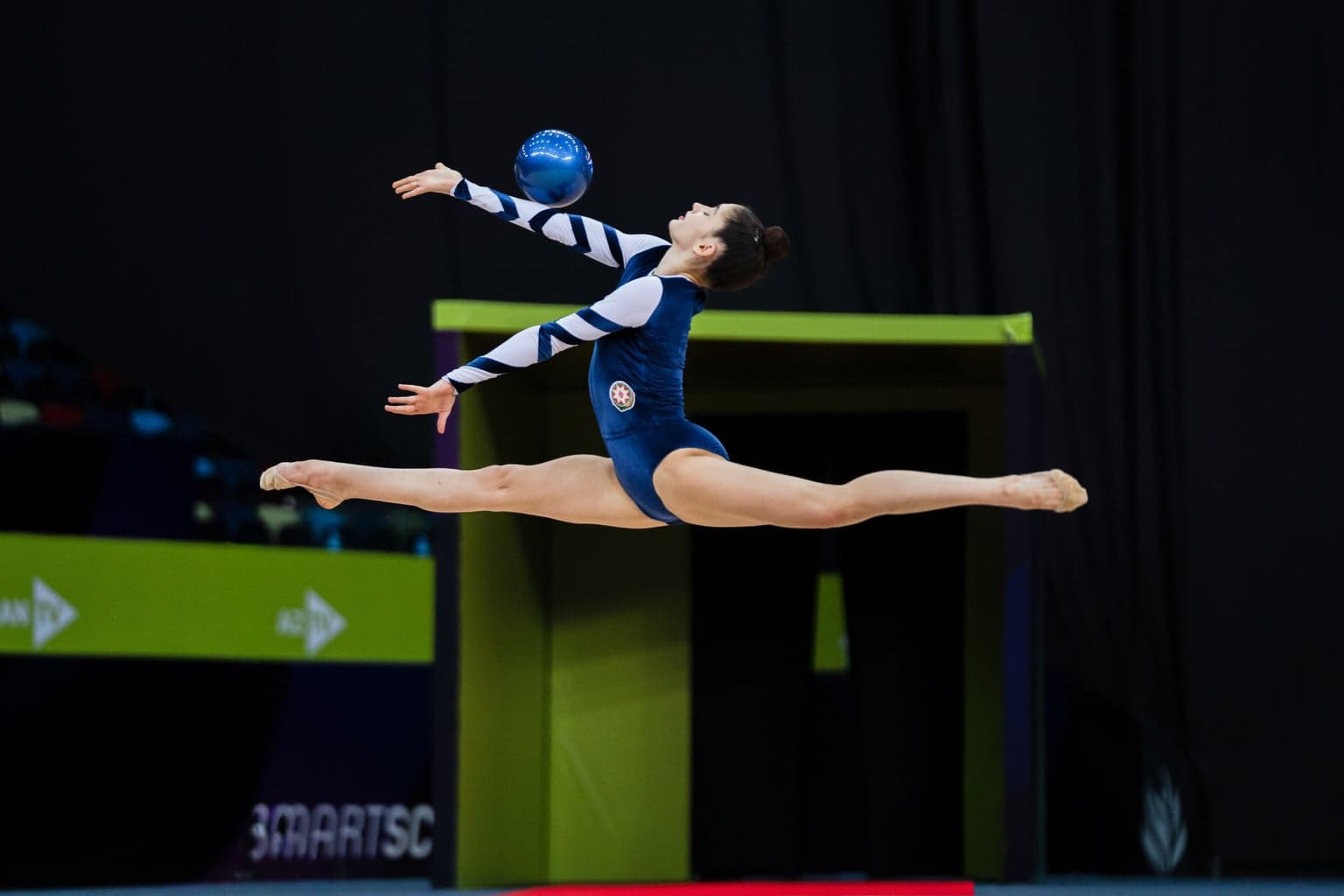
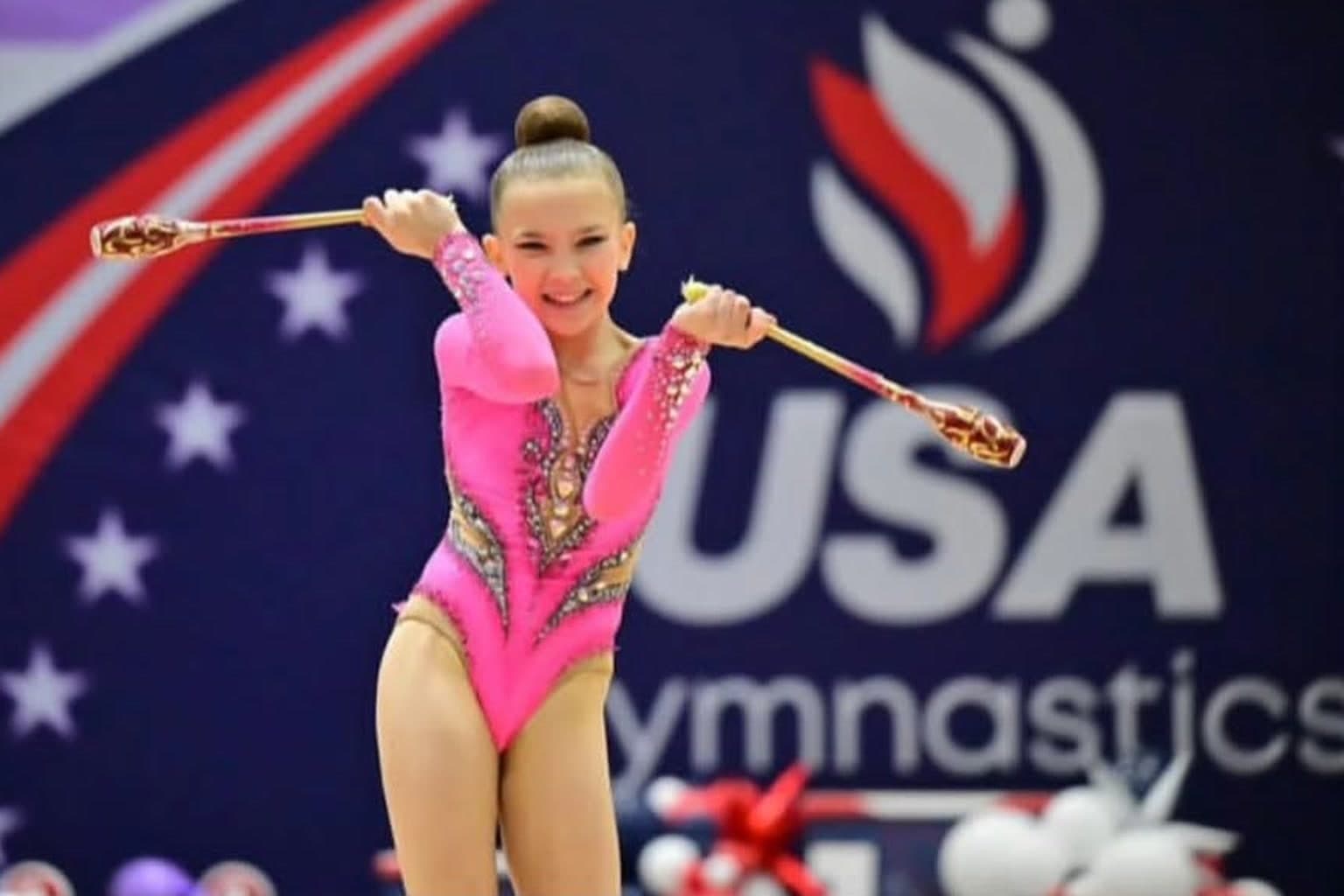
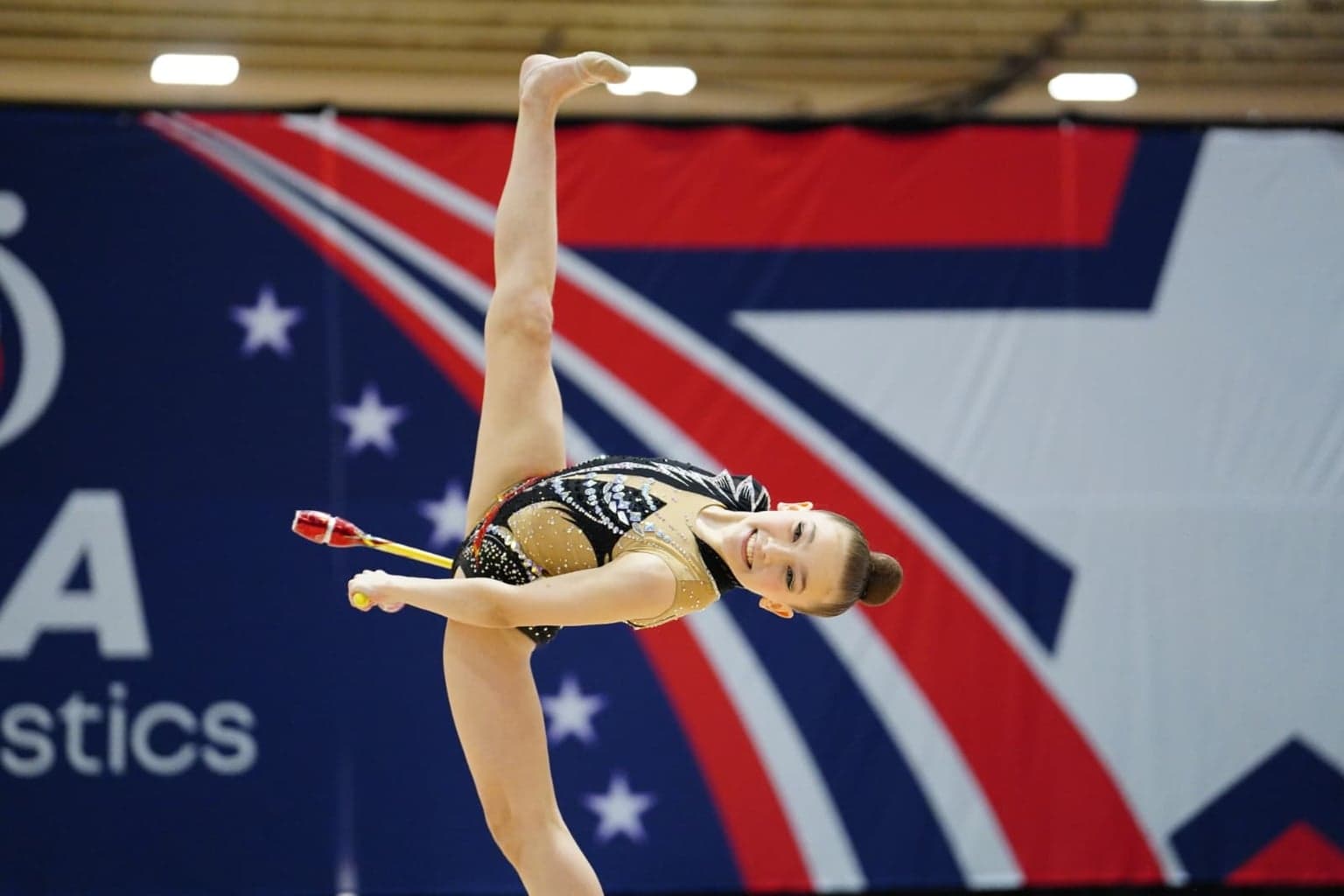
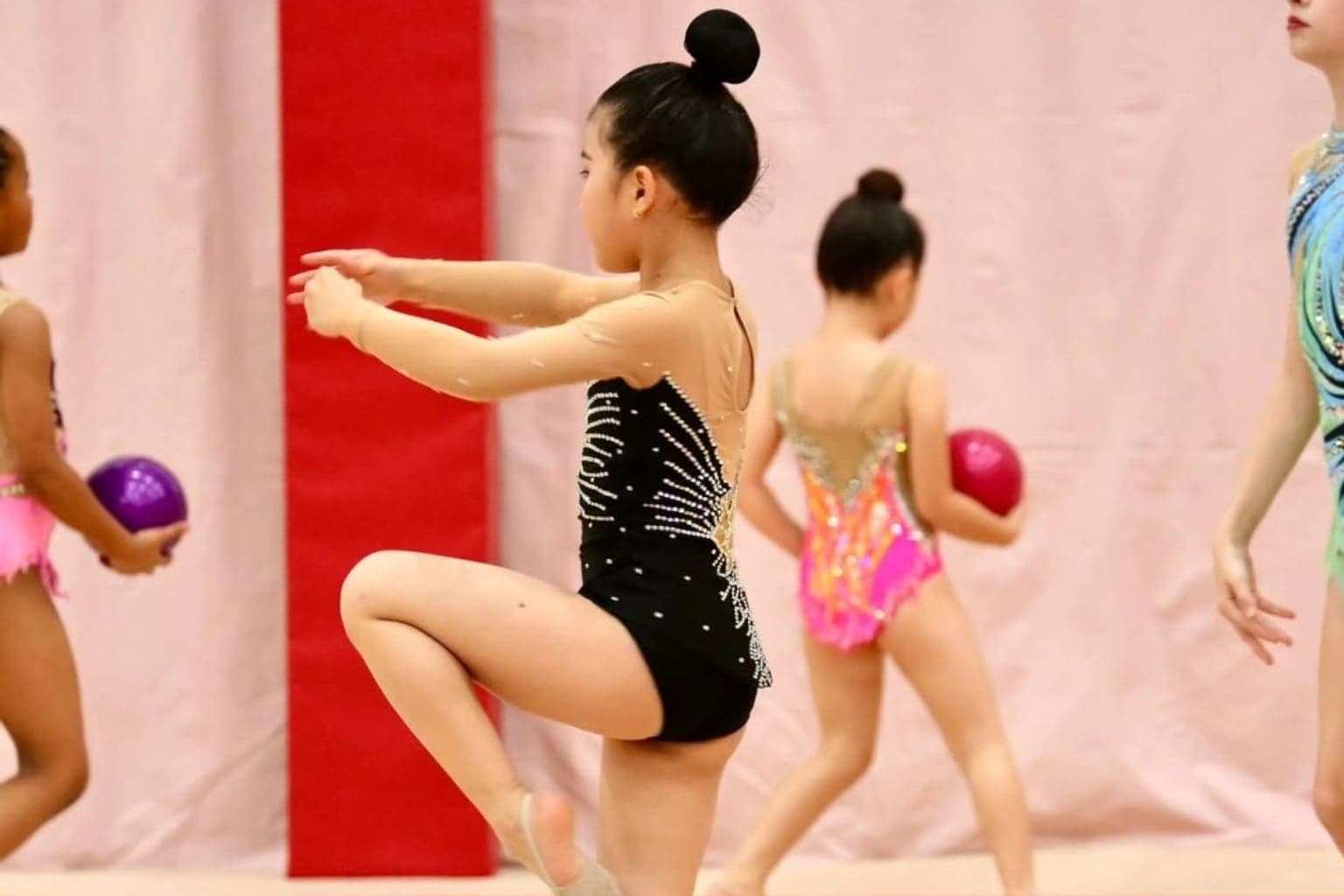
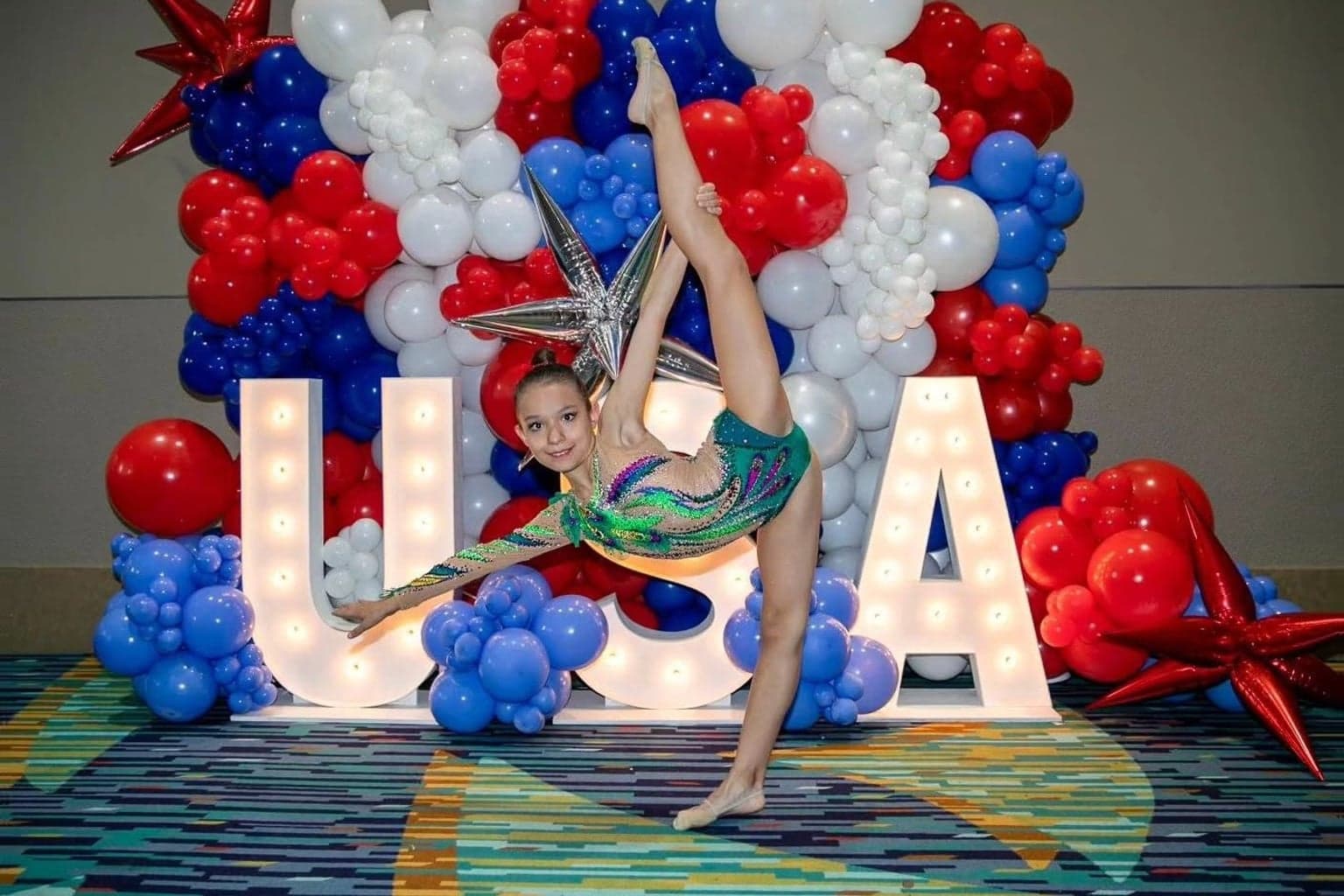
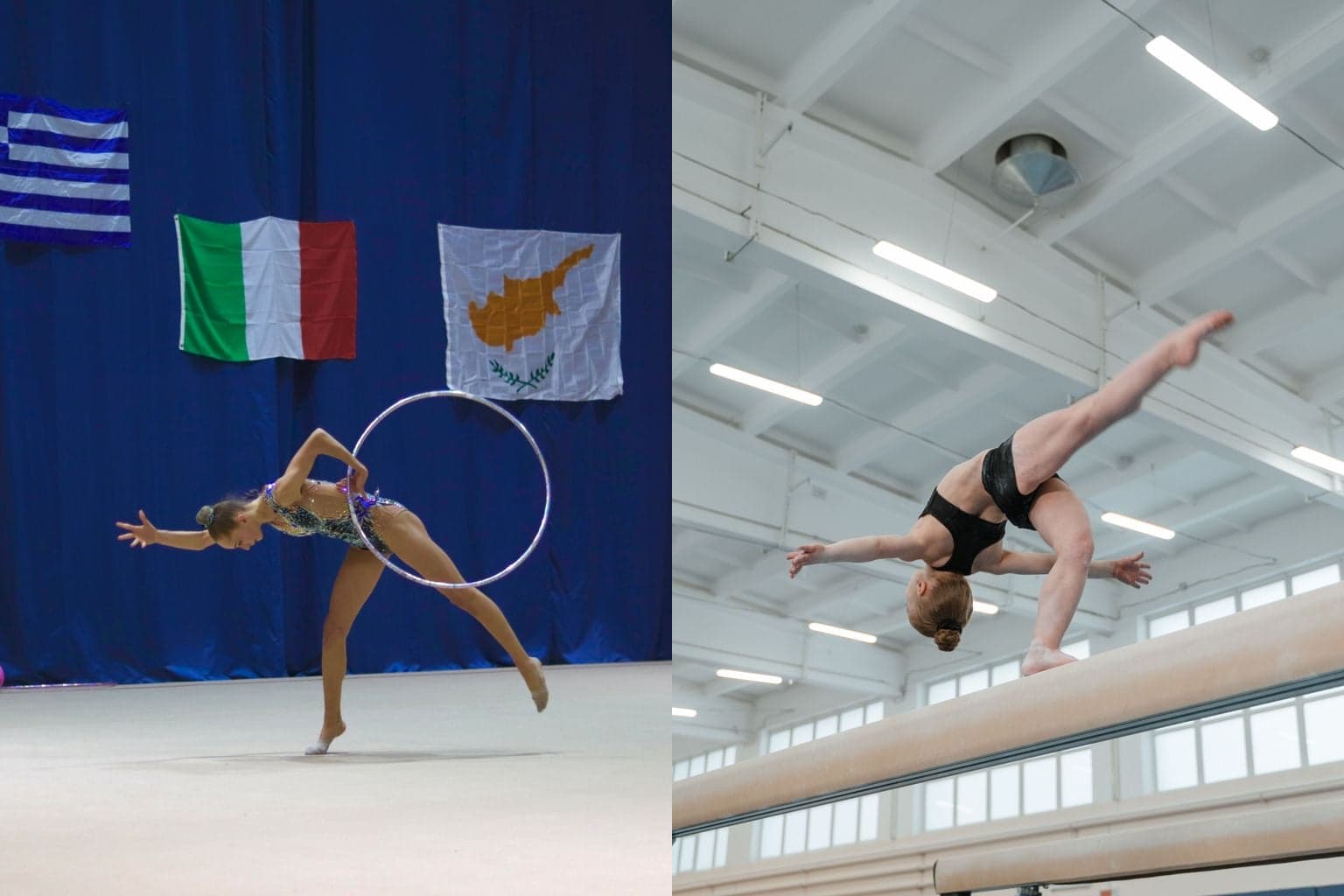
Rhythmic gymnastics blends ballet, gymnastics, apparatus work, and performance into a single class. If your daughter has been pulled in different directions (dance one summer, gymnastics the next), this is the program that lets her stop choosing.
It Is Indoor and Air-Conditioned
Both our McKinney and Frisco studios are climate-controlled and built for serious training in any weather. Indoor classes offer a break from the Texas heat.
There Is a Right Class for Every Age and Level
From age three to elite training, there is a place for her:
- Preschool classes for ages 3 to 5 focus on play-based movement, music, and props.
- Beginner classes for ages 5-18 introduce all five apparatus, ballet barre, and structured choreography.
- The competitive track is for serious students ready for invitation-only training.
- Ballet is a useful complement for a dancer working on cleaner technique.
- Multi-sport flexibility is built for athletes from other sports who want to add real range of motion to their training.
How to Try Before You Commit
Before you sign your daughter up anywhere this summer, do three things:
- Book a free trial. The first class tells you almost everything you need to know about the staff, the energy, and whether your daughter clicks with the activity.
- Stay and watch. A program that welcomes parents in the viewing area has nothing to hide. Watch how coaches talk to kids who struggle, not just the ones who get it on the first try.
- Ask the coach about progression. "What will she learn first? What does month two look like?" The answer tells you whether the program has a real plan or is improvising.
We laid out exactly what to expect at a first class if you want to know what to wear, what coaches will be doing, and how to talk with your daughter afterward.
Book Her Free Trial This Week
The best summers start with one good decision in early May. If rhythmic gymnastics sounds like the right fit for your active daughter, book a free trial class at our McKinney or Frisco studio. We will take care of the rest.
Have questions before booking? Reach out anytime and we are happy to help you figure out the right starting point.